Metal casting plants have long been associated with hot, dirty, and dangerous work, an image that has held for decades. Behind that image, though, a digital transformation is quietly under way. IoT sensors, digital twins, and real-time data analytics are changing how modern foundries monitor, control, and optimize production, a shift widely known as Industry 4.0.
What Does Industry 4.0 Mean for a Foundry?
Put simply, Industry 4.0 is the integration of digital technology (sensors, internet connectivity, data analytics, and intelligent automation) into physical manufacturing processes. For metal casting, it means every stage of the process, from melting to solidification, can be monitored and controlled using real-time data instead of relying on operator experience alone.
IoT Sensors: The Plant’s Digital Eyes and Ears
Internet of Things (IoT) sensors are installed at critical points in the casting process to collect data continuously:
Furnace and molten metal temperature monitoring. Thermocouples connected to a digital system allow precise, real-time monitoring of melt temperature, far more accurate than periodic manual checks that are prone to human error.
Pressure and flow velocity in die casting. In processes such as die casting, pressure sensors on the injection system allow process anomalies to be detected instantly, for example pressure outside specification that could cause defects such as cold shuts or porosity.
Air quality and emissions. Environmental sensors monitor air quality in work areas, which is important for workplace safety because metal melting produces emissions that need tight control.
Machine and equipment condition. Vibration and temperature sensors on motors, pumps, and other mechanical equipment allow early detection of signs of damage before a sudden failure stops production.
Digital Twins: A Living Virtual Replica of the Plant
A digital twin is a virtual representation of a physical system. In a foundry, it can be a digital replica of a single machine, a production line, or even the entire plant, continuously updated with real-time data from IoT sensors.
Benefits of a digital twin for a foundry:
- Running “what-if” scenarios without disrupting actual production, for example testing the effect of a process parameter change before applying it on the real line
- Identifying production bottlenecks from actual data rather than assumptions
- Training new operators in a safe simulated environment before they work directly with physical machines
- Integrating with casting process simulation to validate designs against the actual condition of machines on the floor
Predictive Maintenance: From Reactive to Proactive
One of the most concrete benefits of Industry 4.0 in foundries is the move away from reactive maintenance (fixing things after they break) or scheduled preventive maintenance (replacing components on a fixed schedule regardless of actual condition) toward predictive maintenance: predicting when a component will fail from patterns in sensor data, so replacement happens at the right time, neither too early (wasting money) nor too late (risking unplanned downtime).
Machine learning algorithms are trained on historical vibration, temperature, and other operating data to recognize the patterns that precede component failure, for example a change in motor vibration that statistically correlates with bearing failure within the next few weeks.
Digital Traceability and Quality Control
Industry 4.0 systems also enable full traceability. The parameters of every production batch can be traced in detail: melt temperature, pouring time, inspection results, and even the operator on duty. This is very valuable when a quality problem appears in a particular batch, because root cause analysis can be based on concrete data rather than guesswork.
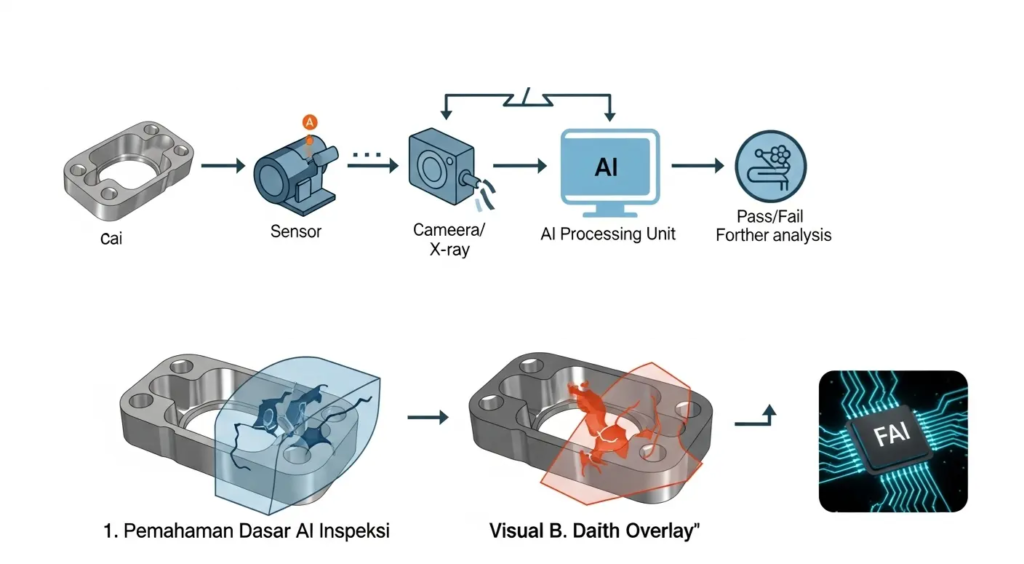
Integration with non-destructive testing (NDT) results also lets defect data be linked directly to the specific process parameters that produced that batch, speeding up systematic identification of the root cause of production problems.
Challenges of Adopting Industry 4.0 in Indonesian Foundries
Although the benefits are clear, adopting Industry 4.0 in Indonesia’s metal casting industry faces several real challenges:
Significant upfront investment. Installing sensors, connectivity infrastructure, and analytics software takes considerable capital, especially for the small and medium-sized foundries that make up most of the industry in Indonesia.
The digital skills gap. Operators and engineers used to manual processes need additional training to make effective use of data dashboards and digital systems.
Integration with legacy equipment. Many foundries still run machines that are decades old and were never designed for digital connectivity, so retrofitting sensors can be technically complex.
Data security (cybersecurity). The more connected a plant becomes, the greater the cybersecurity risk that has to be managed, especially for process data that counts as a trade secret.
Why This Transformation Cannot Be Avoided
Whatever the challenges, competitive pressure in global manufacturing means Industry 4.0 is no longer a long-term option but a requirement for staying relevant. Foundries that can produce with more consistent quality, lower downtime, and full traceability will have a significant competitive edge over those that still rely entirely on conventional operating methods.