Following the case studies on automotive, construction, and power and energy, the household appliance sector has a distinctive market profile: very high production volumes and tight cost pressure, yet still a demand for good appearance and reliability in consumer products used every day.
Common Cast Components in Household Appliances
Washing machine components. Counterweights on washing machine drums are usually simple mass-produced cast iron. Their only job is to add weight for stability while the machine spins, so they do not need complex mechanical properties.
Refrigerator and air conditioner compressor components. Compressor housings and some internal parts use cast iron or aluminum alloys, chosen for adequate strength, the ability to damp the compressor’s mechanical vibration, and controlled production costs for very high-volume parts.
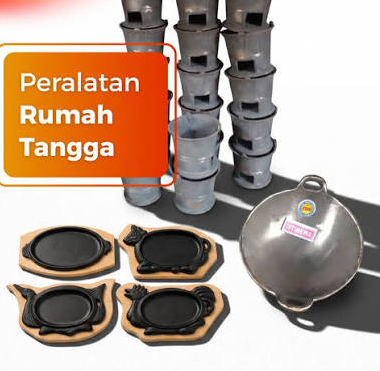
Handles and decorative components. Pan handles, decorative oven parts, and premium kitchen hardware often use aluminum alloys or even cast brass for a combination of low weight, heat resistance, and appearance in high-end products.
Appliance electric motors. Motor housings for blenders, mixers, and other motorized appliances usually use aluminum die casting, taking advantage of the method’s high production speed to meet massive consumer demand.
Cost Pressure as the Main Design Driver
Unlike premium automotive or aerospace, which can absorb higher production costs for the sake of performance, the household appliance industry is very sensitive to the final retail price. Profit per unit is relatively small, so production cost efficiency is a design priority from the start.
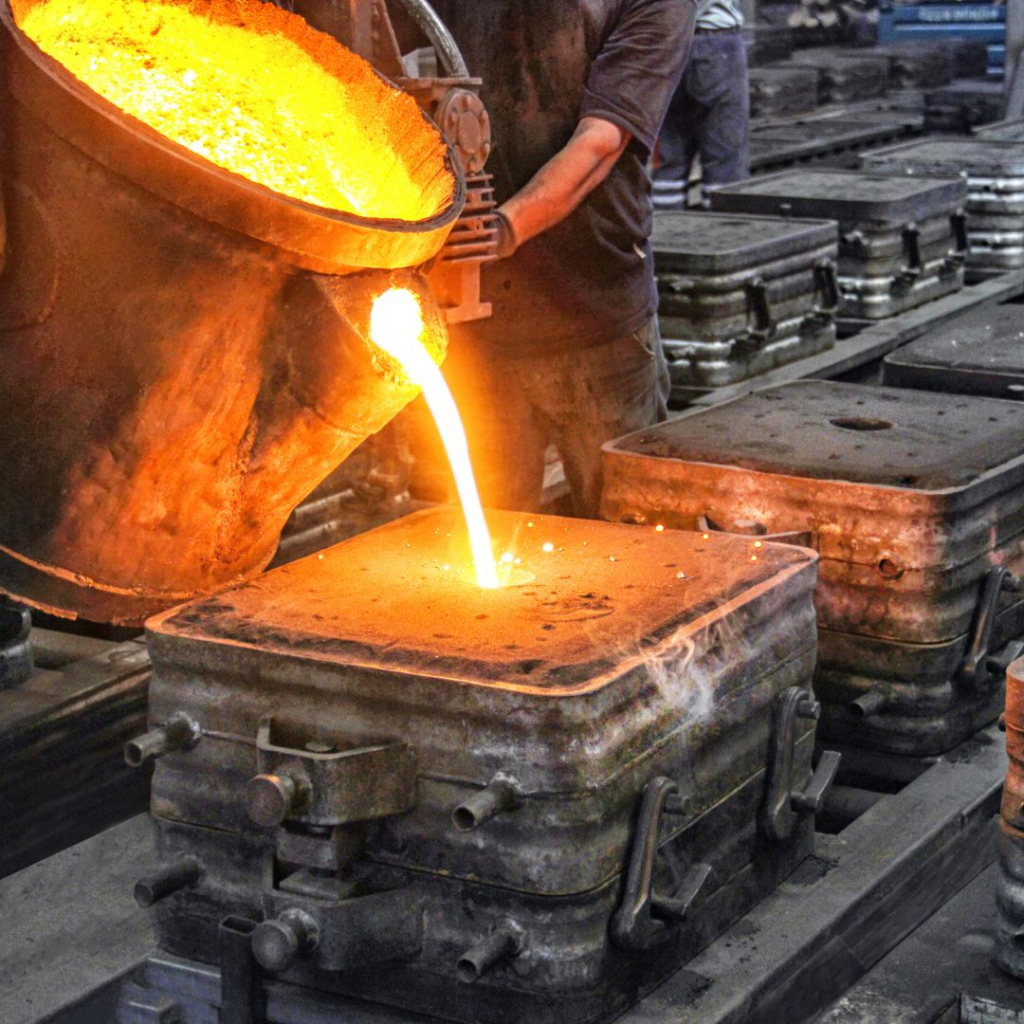
Implications for the choice of casting method: die casting dominates for high-volume aluminum components because its production cycle is much faster than sand casting. The upfront tooling investment (precision metal molds) is higher, and that investment only pays off when volumes are genuinely high, which matches the mass consumer market.
Designing for minimal finishing. With such large production volumes, every second saved in finishing per part adds up to significant savings, pushing part and mold designs that minimize further machining or manual fettling.
Quality Challenges Under Cost Pressure
Despite the dominant cost pressure, household appliances still have to meet basic reliability standards, since consumers use them directly over long periods:
Consistent quality across mass-production batches. With very high daily volumes, small quality variations between batches can add up to a significant problem at scale, so process control must stay consistent despite cost pressure.
Consumer product safety. Components in contact with electricity (such as motor housings) must meet electrical safety standards even when produced at controlled cost. There is no room to compromise on safety, however competitive the pricing.
Durability that matches expected product life. Consumers expect appliances to last at least several years of normal use, which calls for adequate material and process choices to support that service life despite tight cost limits.
Lessons from a High-Volume, Cost-Driven Sector
This case study shows a design approach that differs from the earlier sectors. Here, mass-production cost optimization drives design decisions, rather than extreme performance or high precision as in aerospace or premium automotive. For foundries serving this sector, the ability to optimize processes for cost efficiency without sacrificing basic safety and reliability standards is the core skill that sets successful players apart in this high-volume market.
Related Articles
- Non-Ferrous Metal Casting: Copper, Brass, and Bronze
- Finishing Metal Castings: Fettling, Shot Blasting, and Machining
- Case Study: Metal Casting in the Power and Energy Sector