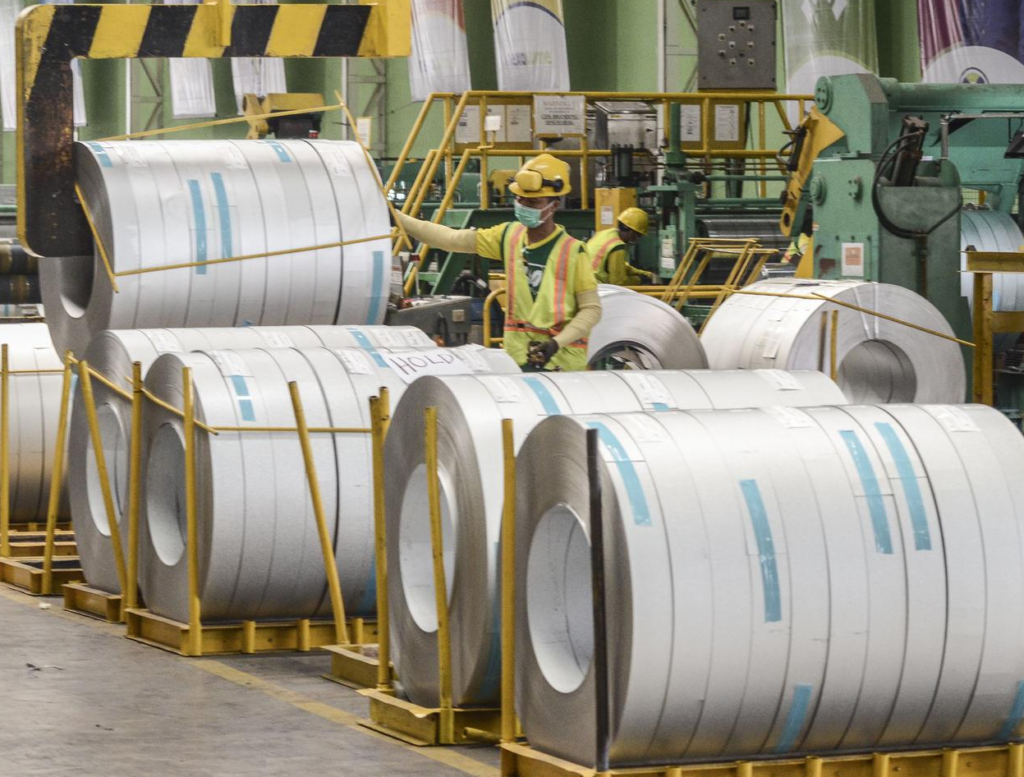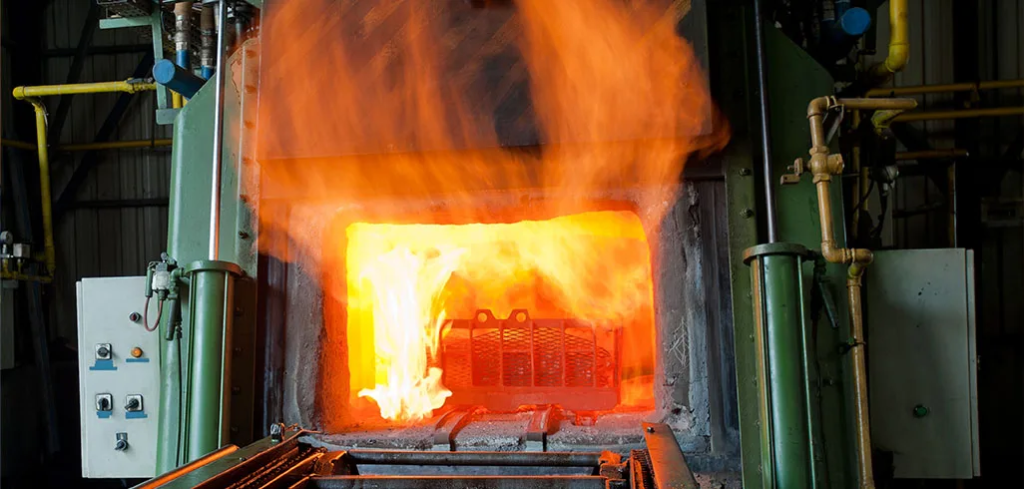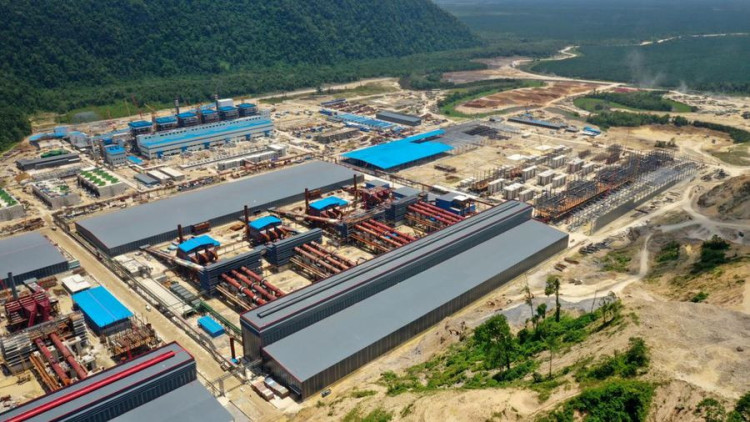
Indonesia’s mineral downstreaming policy, which bans raw ore exports and requires domestic processing, has fundamentally changed the country’s mining landscape over the past decade. Nickel is the most prominent example of this policy, and its momentum continues into 2026 with increasingly complex dynamics.
Growth in Nickel Smelter Capacity
Since the ban on raw nickel ore exports took effect, Indonesia’s domestic nickel smelting capacity has grown rapidly, driven by large investments from strategic partners in mineral processing. The main production focus has shifted from nickel pig iron (NPI) for the stainless steel industry toward higher-value products such as mixed hydroxide precipitate (MHP) and nickel matte, which are key raw materials for the electric vehicle battery industry.
This shift in production focus matters because global nickel demand for EV batteries requires different purity levels and chemical forms from nickel for conventional steelmaking, driving investment in more advanced processing technology than the first generation of smelters.
Environmental Challenges Under Continued Scrutiny
The expansion of Indonesia’s nickel smelting industry has come with significant environmental challenges:
Tailings management. Processing laterite nickel ore, especially with High Pressure Acid Leach (HPAL) technology to produce MHP, generates substantial volumes of tailings that require strict management to prevent pollution around industrial areas.
Carbon emissions from smelter operations. Many nickel smelters in Indonesia still depend on captive coal-fired power plants to meet the energy-intensive demands of smelting, creating tension with the long-term decarbonization commitments that the global metallurgy industry also faces.
Social impact on surrounding communities. The expansion of smelter industrial zones in several regions brings complex social dynamics, from new economic opportunities for local people to challenges around land conversion and environmental impacts felt directly by nearby communities.
Downstreaming Expands to Other Strategic Minerals
The momentum of nickel downstreaming has pushed similar policies to other strategic mineral commodities, including the potential for rare earth elements from tin and nickel mine tailings, which have received less attention than the main commodities.
Bauxite and aluminum. Following the nickel policy model, the ban on raw bauxite exports has driven construction of domestic alumina refineries, though with funding and energy infrastructure challenges that are just as complex.
Copper. Large-scale copper smelters continue to be developed to process domestic copper concentrate into higher-value copper cathode, reducing reliance on exporting raw concentrate.
Tin and its associated minerals. Beyond tin itself, attention is shifting to high-value associated minerals in tin mine tailings, including rare earth elements that have accumulated through decades of tin mining.
Implications for Indonesia’s Metallurgy Industry
These downstreaming developments have ripple effects across Indonesia’s wider metallurgy ecosystem:
Greater availability of domestically processed raw materials could lower logistics costs and import dependence for downstream manufacturers that need processed metals such as nickel, copper, and aluminum as production inputs, including for metal casting.
Opportunities for research and development in processing technology are opening up as the domestic smelting industry grows, creating demand for extractive metallurgy experts and more advanced refining technology.
Long-term sustainability remains a major challenge: balancing downstreaming ambitions with sustainable environmental and social standards, given growing pressure from global export markets that increasingly factor carbon footprint and responsible mining practices into purchasing decisions.
Looking Ahead at Policy Direction
Indonesia’s mineral downstreaming in 2026 shows a consistent pattern: expansion from a single commodity (nickel) toward a broader downstreaming ecosystem for strategic minerals, accompanied by rising demands for environmental standards and sustainable governance. For domestic metallurgy players, understanding this policy direction is important for anticipating new supply chain opportunities as well as evolving regulatory challenges.
Related Articles
- The Global Steel Industry in 2026: Capacity, Tariffs, and the Green Transition
- Indonesia Steel Import Tariff Policy 2026: Impact on the Domestic Industry