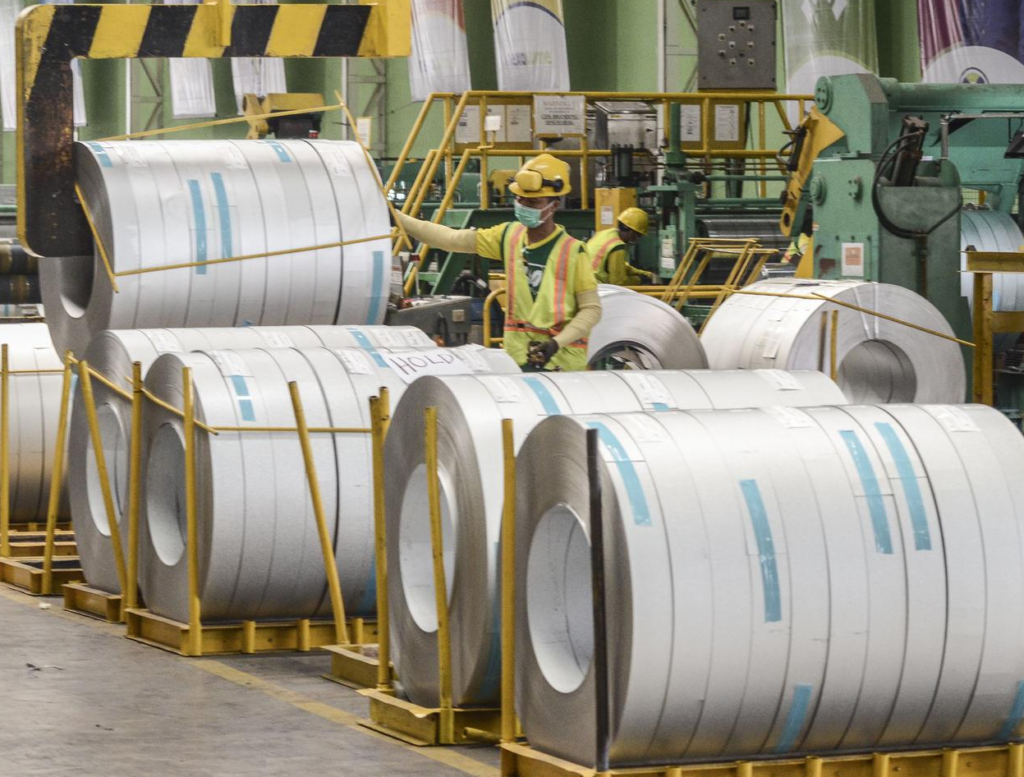
In line with the steel protectionism seen in many countries, as covered in the global steel industry outlook, Indonesia continues to adjust its steel import tariffs to protect domestic producers from cheap imported steel, while trying to stay balanced with the needs of downstream industries that rely on steel as a raw material.
Background: Why Steel Tariffs Keep Coming Back
Indonesia’s domestic steel industry faces competitive pressure from imported steel that is often sold below domestic production cost, a practice known as dumping. This pressure comes mainly from global steel overcapacity, which pushes producers in some countries to divert surplus output to export markets, including Indonesia, at very competitive prices.
Impact on domestic steel producers: price pressure from cheap imports squeezes local producers’ margins, in some cases lowering domestic capacity utilization and even risking plant closures if the pressure continues without policy intervention.
Policy Instruments in Use
Anti-dumping duties (BMAD). Applied to specific steel products shown to be sold in Indonesia below fair value, based on official investigations by the relevant trade authority.
Safeguard measures. Temporary additional tariffs that protect domestic industry from significant surges in import volume, whether or not dumping is involved, when such a surge is shown to cause serious injury to the domestic industry.
Mandatory Indonesian National Standard (SNI). Beyond pure tariffs, mandatory SNI for certain steel products also acts as a non-tariff barrier, ensuring imports meet the same quality standards required of domestic producers.
Local content requirements (TKDN). For government and state-owned enterprise projects, minimum local content requirements encourage the use of domestically produced steel in state-funded infrastructure and construction projects.
Uneven Effects Across the Industrial Ecosystem
Protecting domestic steel has effects that are not uniform across the value chain:
For upstream steel producers, tariffs provide protection that allows continued operation and long-term investment despite heavy global competitive pressure.
For downstream manufacturers, including metal casting and fabrication businesses that use steel as a raw material, protection can mean higher input costs than if they could import freely at lower international prices, weakening the competitiveness of Indonesian downstream products in export markets.
For end users in construction and property, higher steel costs may translate into higher construction costs, although this effect is often absorbed within broader project cost structures.
The Challenge of Balancing Competing Interests
This is the classic dilemma of trade protection: protecting one segment (upstream steel producers) can burden another (downstream steel users). Policymakers need to weigh several considerations:
- The scale of domestic steel demand: whether domestic capacity is enough to meet downstream needs without imports, or whether protection creates supply shortages
- Quality and specification of domestic products: whether domestic steel truly matches imports in quality and technical specification, especially for special steel grades that may not yet be widely produced at home
- Export competitiveness of downstream products: how far higher input costs from protection affect the competitiveness of Indonesian manufactured goods in global markets
Implications for the Metallurgy and Manufacturing Industries
For domestic metallurgy players, both steel producers and the downstream industries that depend on them, understanding tariff policy dynamics is important for medium-term business planning. Trade protection policy can change relatively quickly with political and economic conditions, so raw material procurement and production cost planning should ideally account for policy scenarios that may shift, rather than assuming today’s tariffs will stay unchanged over the long term.