The global steel industry is at a fairly dramatic crossroads. On one hand, demand from construction and manufacturing keeps growing in many regions. On the other, the industry faces three pressures at once: chronic overcapacity, escalating trade tariffs between countries, and increasingly urgent demands for decarbonization.
The Overcapacity Problem That Will Not Go Away
Global steel overcapacity, where total installed production capacity far exceeds actual demand, has been a structural issue for more than a decade. Several factors prolong it:
Continued capacity expansion in some major producing countries even as domestic demand slows, pushing surplus output into export markets at competitive prices that squeeze producers elsewhere.
Slow industry consolidation. Unlike many industries that consolidate significantly when oversupply hits, steel in many countries often receives policy support (subsidies, employment protection) that slows the closure of excess capacity.
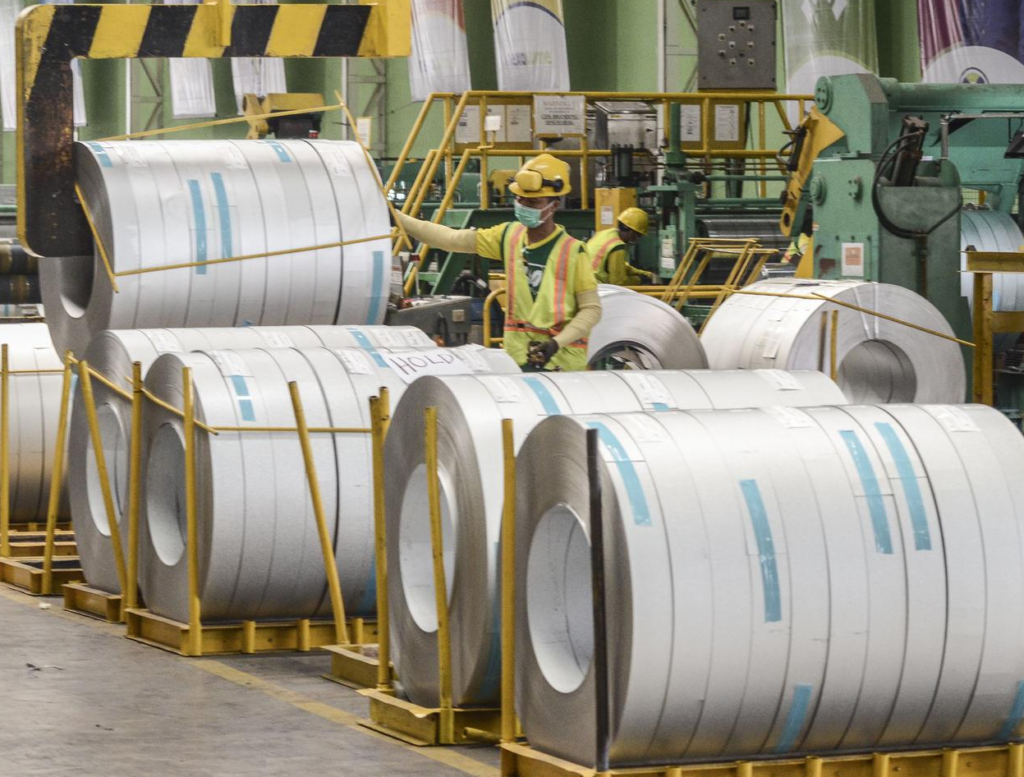
Effects on downstream supply chains. Global overcapacity pushes world steel prices down, which benefits steel-consuming manufacturers (automotive, construction) but squeezes the margins of domestic steel producers in many countries.
Escalating Tariffs and Trade Protection
In response to pressure from cheap steel imports, more countries are applying or tightening tariffs and non-tariff trade barriers:
Anti-dumping and countervailing duties are applied by various countries to protect domestic steel from practices seen as unfair, such as sales below cost of production.
Local content requirements on government infrastructure projects are increasingly common as an indirect way to protect domestic steel.
Trade tension between economic blocs over steel remains a source of diplomatic friction, with negotiations on tariffs and import quotas a regular item in bilateral and multilateral trade talks.
For manufacturers in Indonesia that depend on steel as a raw material, whether for metal casting or other manufacturing, this global tariff dynamic directly affects raw material price volatility that has to be anticipated in medium-term production planning.
Decarbonization Pressure: From Blast Furnaces to Green Steel
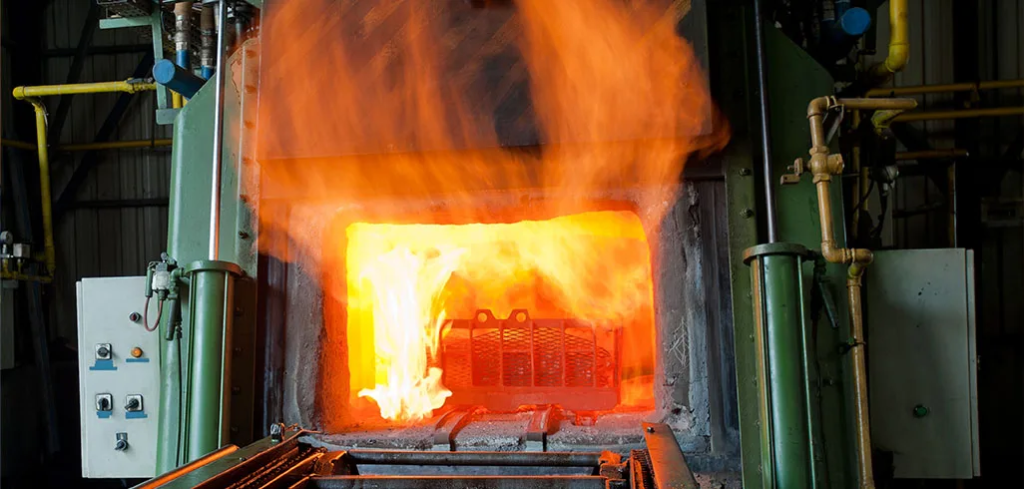
The steel industry accounts for a significant share of global industrial carbon emissions, mainly from conventional blast furnaces that rely on coking coal for reduction of iron ore. Decarbonization pressure is driving several directions of transformation:
Hydrogen-based direct reduction. A technology that replaces coking coal with hydrogen as the reducing agent, significantly cutting emissions compared with the conventional blast furnace process, although it still faces the challenge of green hydrogen production costs that are not yet broadly competitive.
Scrap-based electric arc furnaces (EAF). Greater use of recycled steel scrap as EAF feedstock offers a far lower carbon footprint than producing from raw iron ore, while supporting the circular economy.
Carbon capture, utilization, and storage (CCUS). Some steel facilities are starting to explore carbon capture as a transition solution for existing blast furnaces while low-carbon production technology matures commercially.
Carbon border adjustment mechanisms. Some large economic regions are applying or planning border carbon taxes on imported steel, adding pressure on global steel producers to speed up their low-carbon transition to keep export market access.
What This Means for Indonesia’s Metallurgy Industry
These global dynamics have direct implications for the domestic metallurgy ecosystem. Swings in global steel prices affect production costs for downstream industries that use steel as a raw material, while global decarbonization pressure will sooner or later push similar standards and expectations onto domestic steelmakers, whether through government regulation or export market requirements that increasingly account for product carbon footprint.
For industry players who depend on steel supply, tracking these global trends is not just macro insight. It is an important input for supply chain planning and medium-to-long-term pricing strategy.
Related Articles
- Global Metallurgy Industry Trends: From the Energy Transition to Sustainable Supply Chains
- Nickel Smelter Investment and Mineral Downstreaming in Indonesia 2026
- Indonesia Steel Import Tariff Policy 2026: Impact on the Domestic Industry