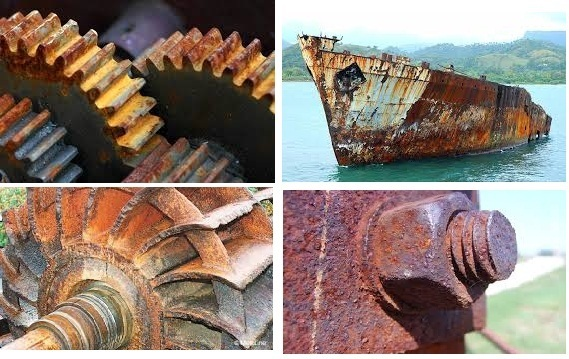
Corrosion is more than the rust that shows up on old iron. In industry, it is one of the most expensive and most underestimated causes of material failure, from leaking pipes in oil refineries and cracks in bridge structures to ship components failing out at sea. Understanding the types of corrosion and how they work is the first step toward preventing much bigger losses later on.
What Exactly Is Corrosion?
Put simply, corrosion is the degradation of metal through electrochemical reaction with its surroundings, usually involving oxygen, moisture, or other chemicals. Metals essentially “want to return” to their natural oxide form (like the ore they were mined from), and corrosion is how this thermodynamic tendency shows itself.
Uniform Corrosion
This is the most common and most easily recognized form of corrosion: the metal corrodes evenly across the whole surface exposed to the corrosive environment, like iron rusting evenly over its surface.
Characteristics: the corrosion rate is relatively predictable and measurable (usually in mm per year), so it often forms the basis for a “corrosion allowance” in tank or pipe design, adding material thickness from the start to account for thickness lost to corrosion over the service life.
Prevention: coating or painting, corrosion-resistant materials such as stainless steel, or cathodic protection.
Galvanic Corrosion
This occurs when two different metals are in direct contact in an electrolyte (such as seawater or high humidity). The more electrochemically “active” metal (the anode) corrodes faster, while the more “noble” metal (the cathode) is relatively protected.
A classic example: carbon steel bolts fitted to an aluminum plate in a humid or marine environment. Aluminum is the more active metal of the pair, so the plate corrodes around each bolt, while the steel bolts are relatively protected. The reverse arrangement is worse: a small anode on a large cathode, such as aluminum rivets in a steel plate, corrodes very quickly.
Prevention: avoiding direct contact between dissimilar metals (using insulators such as non-conductive gaskets), or deliberately using the same principle through a sacrificial anode: fitting a much more active metal (such as zinc or magnesium) to protect the main structure, a common practice on ship hulls and underground pipelines. Corrosion of aluminum is covered in full in our article on aluminum corrosion.
Pitting Corrosion
One of the most dangerous types of corrosion because it is hard to spot visually. Damage concentrates at small points and forms pits that can penetrate deep into the material, even while the surrounding surface looks relatively intact.
Why it is dangerous: pitting can cause sudden leaks in tanks or pipes without clear visual warning, because the damage is localized and bores inward rather than spreading evenly.
Common causes: local breakdown of the metal’s protective passive layer (for example the chromium oxide layer on stainless steel) from chloride exposure, such as seawater. This creates a micro electrochemical cell that keeps “digging” into the material at one spot.
Prevention: choosing the right material grade (for example stainless steel with higher molybdenum content for high-chloride environments) and keeping surfaces free of deposits that can trigger local corrosion points.
Crevice Corrosion
Similar to pitting, but it occurs specifically in narrow gaps, such as bolt-and-nut joints, under gaskets, or under dirt deposits, where oxygen circulation is very limited.
How it works: the area inside the crevice has less oxygen than the area around it, and this difference in concentration drives a localized electrochemical reaction. It resembles pitting, but it is triggered by joint geometry rather than a material defect.
Prevention: designing joints to avoid narrow crevices wherever possible, using solid gaskets without voids, and routinely cleaning away deposits and dirt that build up at joints.
Stress Corrosion Cracking (SCC)
The most dangerous form of corrosion from a safety standpoint, because it can cause sudden brittle failure in a material that is quite ductile under normal conditions. SCC results from three factors acting together: a susceptible material, a specific corrosive environment, and tensile stress (whether from external loads or internal residual stress left by manufacturing).
Well-known examples: cracking in carbon steel ammonia storage tanks, or cracking in stainless steel pipes in hot chloride environments.
Prevention: removing residual stress through stress relieving, choosing materials that are not susceptible to that specific combination of environment and stress, and controlling exposure to triggering agents (such as chlorides or hydrogen sulfide).
Erosion Corrosion
This occurs when high-velocity fluid flow mechanically wears away the protective layer on a metal surface, accelerating chemical corrosion in that area. It is often found in pipes with sharp bends, pumps, and valves carrying high-velocity fluids or fluids containing solid particles.
Prevention: designing piping systems to minimize excessive turbulence (with sufficiently large bend radii), choosing materials with better erosion resistance, and keeping flow velocity within safe limits.
General Corrosion Prevention Strategies
Beyond the specific measures for each type above, several general strategies are always relevant:
- Material selection at the design stage: considering the operating environment from the start, not as a patch-up after problems appear
- Protective coatings: paint, galvanizing, or polymer coatings that separate the metal from the corrosive environment
- Cathodic protection: using either sacrificial anodes or impressed current cathodic protection (ICCP) for large structures such as underground pipelines and ship hulls
- Corrosion inhibitors: chemicals added to the environment (for example in closed cooling systems) to slow the corrosion reaction
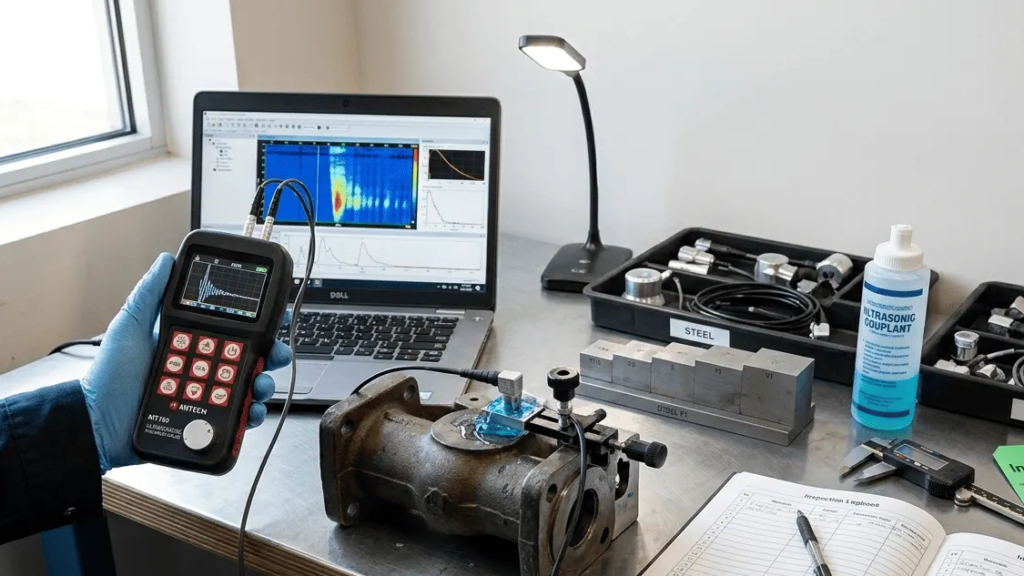
- Routine inspection and maintenance: especially for early detection of localized corrosion such as pitting and crevice corrosion, which is hard to see with the naked eye
Each of these methods is explained in detail in our guide on how to prevent corrosion in metals.
Understanding these types of corrosion matters not only for materials engineers but for anyone involved in designing, operating, and maintaining industrial assets. Misdiagnosing the type of corrosion can lead to prevention measures that miss the target, and ultimately to failures that could have been prevented from the start.