
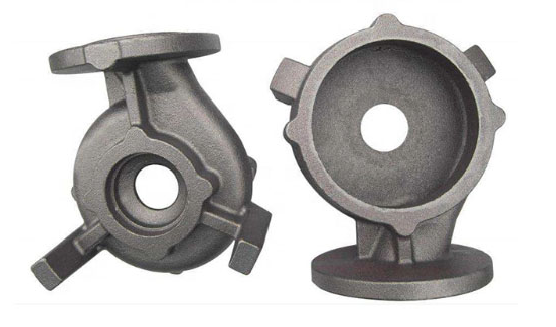
Cast iron is an alloy of iron and carbon with a carbon content above roughly 2%, usually 2–4%, plus about 1–3% silicon. That high carbon content is what separates it from steel, which contains less than 2% carbon.
The name comes from how it is made. Cast iron is almost always shaped by pouring molten metal into a mold, not by forging or rolling. To review the process from the start, read metal casting basics.
Why Is Cast Iron Easy to Cast?
High carbon lowers the melting point of iron. Cast iron melts at around 1,150–1,200°C, while steel melts above 1,400°C. Molten cast iron also flows well, so it fills complex, thin-walled molds. It shrinks relatively little as it solidifies, especially gray iron. Together, these traits make cast iron cheap to produce and well suited to complex shapes.
The Five Types of Cast Iron
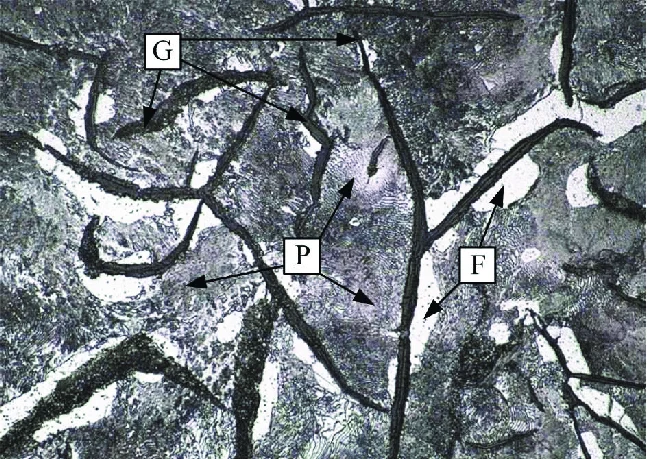
The properties of cast iron depend mainly on the form the carbon takes: graphite or iron carbide (cementite), and the shape of the graphite.
Gray cast iron. The graphite forms flakes. The fracture surface looks gray, which gives the material its name. Gray iron damps vibration very well, machines easily, and is strong in compression, but it is brittle and weak in tension. Typical grades include FC200 and FC250 under JIS G5501, or Class 30 and 35 under ASTM A48.
Ductile iron (nodular iron). Adding magnesium makes the graphite form spheres. The result is a cast iron that is ductile and resists impact, with strength approaching that of steel. See our full article on ductile iron.
White cast iron. The carbon is locked up as iron carbide instead of graphite. White iron is very hard and wear resistant, but very brittle and hard to machine. High-chromium versions are used for grinding parts and slurry pumps.
Malleable iron. Made from white iron that is annealed for a long time until the carbides break down into clusters of graphite. The result is ductile. It was once common in pipe fittings but has largely been replaced by ductile iron.
Compacted graphite iron (CGI). The graphite shape sits between flakes and spheres. CGI is stronger than gray iron while keeping good thermal conductivity. It is used in modern diesel engine blocks.
General Properties of Cast Iron
| Property | Notes |
|---|---|
| Compressive strength | High, well above its tensile strength |
| Ductility | Low in gray and white iron, good in ductile iron |
| Vibration damping | Excellent, especially gray iron |
| Wear resistance | Good, as graphite acts as a solid lubricant |
| Machinability | Good, except white iron |
| Weldability | Difficult, needs special procedures |
| Corrosion resistance | Moderate, generally better than plain carbon steel |
Cast Iron vs Steel: What Is the Difference?
The main difference is carbon content. Steel contains less than 2% carbon, and most structural steels contain less than 0.3%. That makes steel more ductile, forgeable, rollable, and easy to weld. Cast iron is cheaper to cast, damps vibration better, and is easier to form into complex shapes, but it is generally more brittle.
In practice, the choice depends on the load. Parts that carry compression and vibration, such as machine tool beds, suit gray iron. Parts that see tension and impact are safer in ductile iron or steel. For a comparison with low-carbon grades, see our article on low-carbon steel.
Uses of Cast Iron
- Automotive: engine blocks, brake discs and drums, differential housings, crankshafts (ductile iron). See our automotive casting case study.
- Water infrastructure: pipes, valves, fittings, manhole covers.
- Industrial machinery: machine tool beds, pump housings, gearbox housings, compressors.
- Cookware: cast iron pans and pots that hold heat well.
- Mining and cement: grinding balls and wear liners made of high-chromium white iron.
Limitations to Keep in Mind
Gray and white iron can crack suddenly with little deformation beforehand, so they are a poor fit for impact loads. Cast iron is also hard to weld. Repairing cracks or defects requires preheating and special electrodes, as explained in our article on repair welding for castings. Its density is also high, so aluminum is often preferred where low weight matters.
Frequently Asked Questions
Does cast iron rust? Yes. Cast iron rusts when exposed to water and air, though often more slowly than plain carbon steel. Paint, bitumen coating, or oil seasoning (on pans) is used to protect it.
Is cast iron stronger than steel? It depends on the type of load. In compression, cast iron is very strong. In tension and impact, steel is generally better, except when compared with high-grade ductile iron.
Can cast iron be welded? Yes, but with care. It needs preheating, suitable filler metal such as nickel-based electrodes, and slow cooling to avoid cracking.
An Old Material That Stays Relevant
Cast iron has been used for centuries and remains one of the highest-volume cast materials in the world. The reasons are simple: it is cheap, it casts easily into complex shapes, and its properties can be tuned through graphite shape. Choosing the right type for the part’s service load is the key to using it well.


