Despite the unfamiliar name, rare earth elements are all around us — hidden inside smartphones, electric vehicle batteries, and wind turbines. They’ve become one of the world’s most strategic materials, often called the “vitamins of modern industry” because of how critical they are, even in tiny quantities.
This article covers what rare earth elements actually are, why they’re called “rare,” the main types and their uses, and why they matter so much for today’s technology.
What Are Rare Earth Elements?
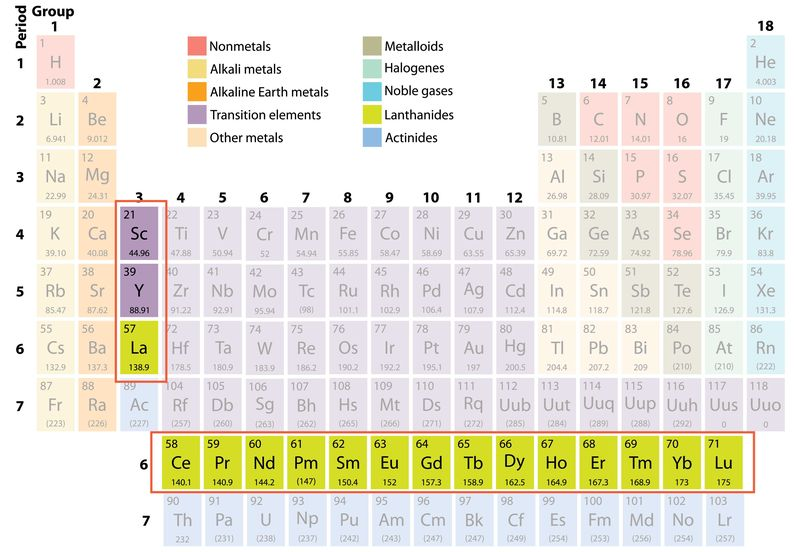
Rare earth elements (REEs) are a group of 17 chemical elements on the periodic table: the 15 lanthanides, plus scandium and yttrium. These elements share similar chemical and physical properties — magnetic behavior, conductivity, and distinctive optical characteristics among them.
Interestingly, the word “rare” is a bit misleading. In terms of raw abundance, several REEs are actually more common in the Earth’s crust than copper or tin. What makes them “rare” is the difficulty of finding deposits concentrated enough to mine economically, combined with a separation and refining process that’s notoriously complex and expensive.
List of the 17 Rare Earth Elements
| Element | Symbol | Atomic number | Group | Main uses |
|---|---|---|---|---|
| Scandium | Sc | 21 | Usually listed separately | Aluminium-scandium alloys, solid oxide fuel cells |
| Yttrium | Y | 39 | Heavy | Lasers, phosphors, stabilized zirconia ceramics |
| Lanthanum | La | 57 | Light | Refinery catalysts, optical glass, NiMH batteries |
| Cerium | Ce | 58 | Light | Glass polishing, catalytic converters |
| Praseodymium | Pr | 59 | Light | Permanent magnets (with neodymium), glass colouring |
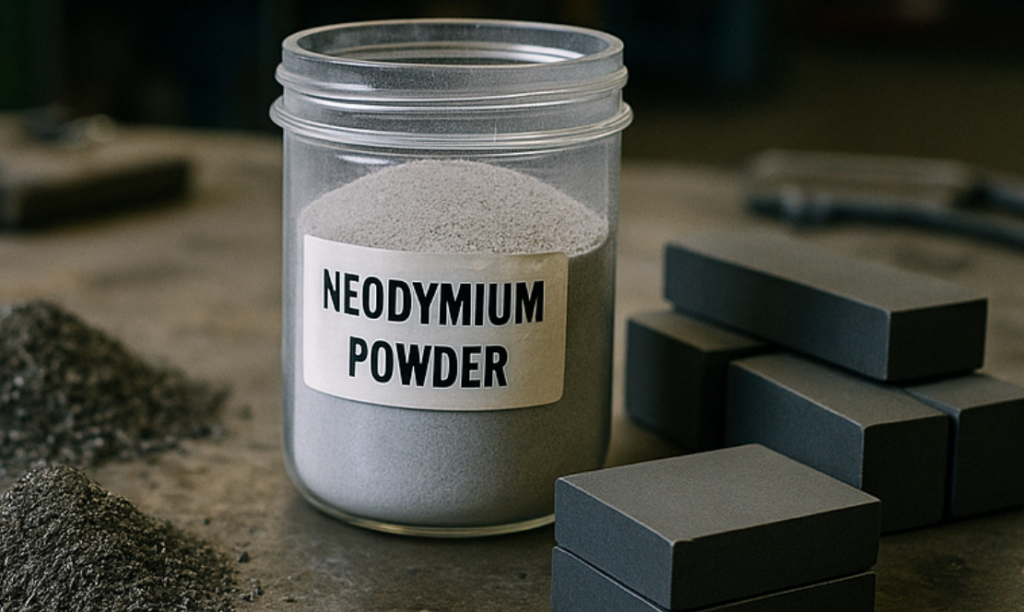
| Neodymium | Nd | 60 | Light | NdFeB permanent magnets for EV motors and wind turbines |
| Promethium | Pm | 61 | Light | Radioactive, no stable isotopes, niche uses only |
| Samarium | Sm | 62 | Light | Samarium-cobalt magnets |
| Europium | Eu | 63 | Heavy | Red phosphors for displays and lighting |
| Gadolinium | Gd | 64 | Heavy | MRI contrast agents, neutron absorbers |
| Terbium | Tb | 65 | Heavy | Green phosphors, magnet additive |
| Dysprosium | Dy | 66 | Heavy | Magnet additive for high-temperature performance |
| Holmium | Ho | 67 | Heavy | Medical lasers |
| Erbium | Er | 68 | Heavy | Fibre-optic amplifiers, lasers |
| Thulium | Tm | 69 | Heavy | Portable X-ray sources, lasers |
| Ytterbium | Yb | 70 | Heavy | Fibre lasers |
| Lutetium | Lu | 71 | Heavy | PET scanner detectors, catalysts |
Why Are They Called “Rare Earths”?
The name traces back to their discovery in the late 18th and early 19th centuries, when these elements were first identified in oxide form — what scientists at the time called “earths” — that proved extremely difficult to separate from one another due to their nearly identical chemical properties. It took decades of scientific work to finally isolate each element in pure form.
Key Rare Earth Elements and Their Uses
Some of the most industrially important rare earth elements include:
Neodymium (Nd) Used to make high-strength permanent magnets (NdFeB), a critical component in EV motors, wind turbines, and computer hard drives.
Lanthanum (La) Used in nickel-metal hydride (NiMH) batteries found in hybrid vehicles, as well as a catalyst in petroleum refining.
Cerium (Ce) The most abundant rare earth element, widely used as a high-precision glass polishing compound and in automotive catalytic converters.
Europium (Eu) Essential for phosphor displays in TVs, LEDs, and phone screens thanks to its exceptional luminescent properties.
Yttrium (Y) Used in superconductors and lasers, and as a reinforcing agent in ceramics and thermal barrier coatings.
The Role of Rare Earths in Modern Technology
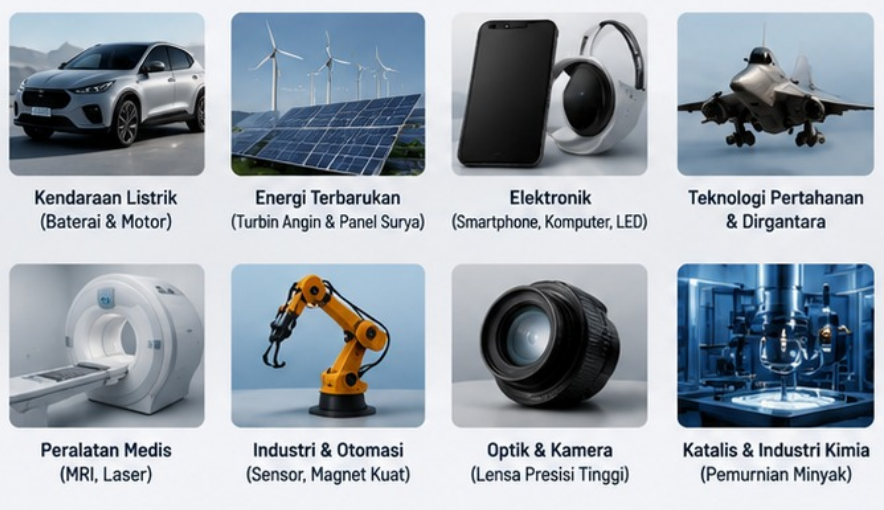
Global reliance on rare earth elements keeps growing alongside green and digital technology, including:
- Electric vehicles — neodymium magnets are the core of efficient, lightweight drive motors.
- Renewable energy — offshore wind turbines depend on rare-earth-based permanent magnets for efficient power generation.
- Consumer electronics — smartphones, laptops, and headphones all use rare earths in speakers, displays, and batteries.
- Defense and aerospace — radar systems, precision lasers, and fighter jet components rely heavily on the unique properties of rare earths.
- Medical equipment — MRI machines use rare-earth-based superconducting magnets to produce accurate imaging.
The Challenges Behind Rare Earth Elements
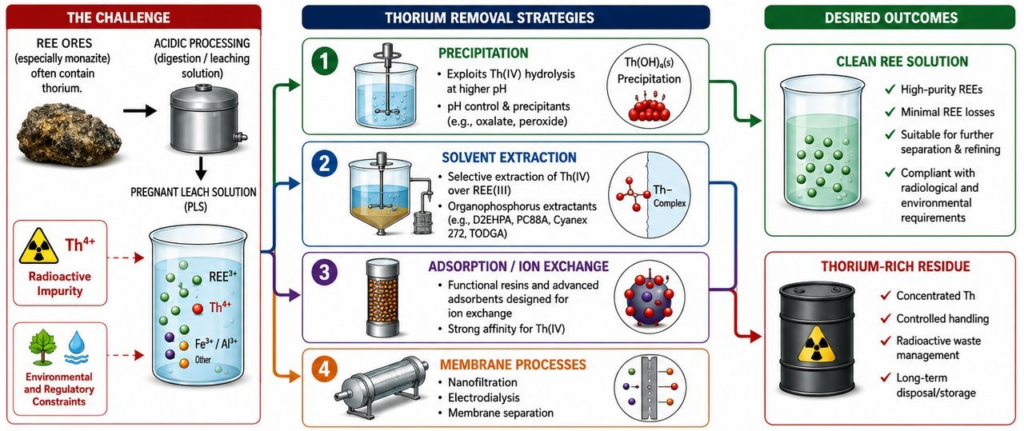
Despite their critical role, managing rare earth elements comes with real challenges. Mining and refining generate radioactive waste and hazardous chemical byproducts that require strict environmental controls. On top of that, global rare earth production remains heavily concentrated in a handful of countries, creating geopolitical tension around the supply chain for this strategic resource.
This has pushed many countries and companies to develop rare earth recycling technology from e-waste, along with searching for alternative sources to reduce dependence on any single producing region.
Closing Thoughts
Rare earth elements may not be visible in everyday life, but they play a vital role in the technology we rely on daily — from the phone in your pocket to the electric vehicles on the road. Understanding the basics of rare earths is an important foundation for following the ongoing development of green and digital technology.