If dysprosium and terbium are known as the rarest and most expensive rare earth elements, cerium sits at the opposite end of the spectrum: the most abundant rare earth element in the Earth’s crust, more abundant even than copper. Though it rarely gets as much attention as neodymium does for EV magnets, cerium quietly serves as the backbone of several important industrial processes.
Why Is Cerium So Abundant?
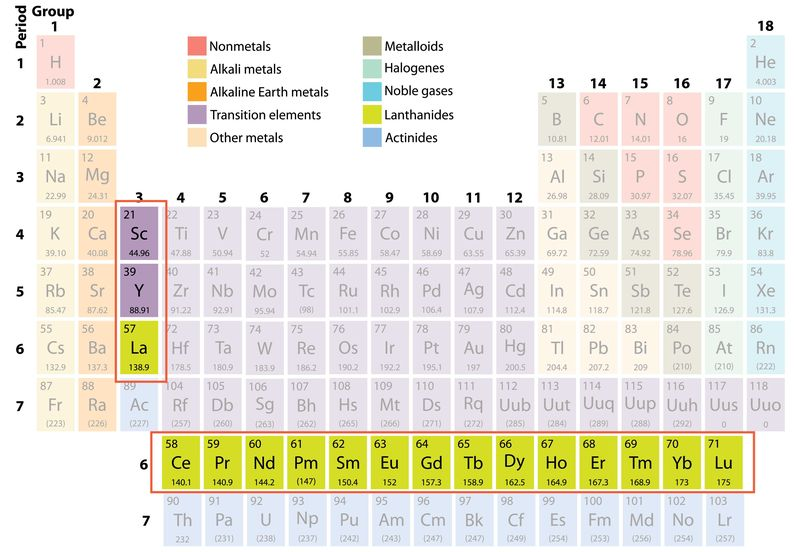
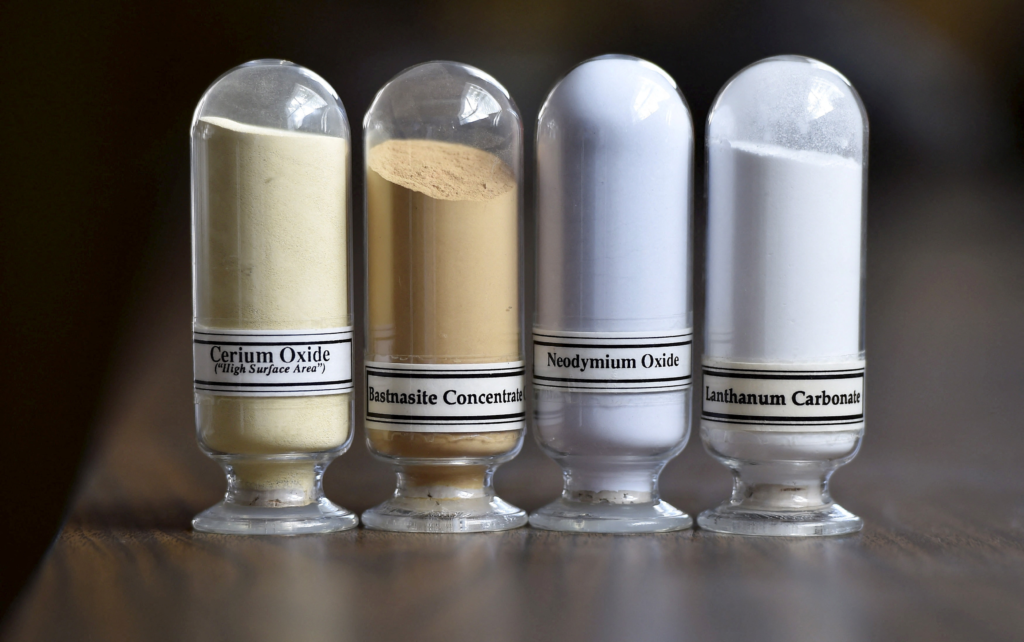
Cerium belongs to the LREE group, which is geologically far more common than HREE. Cerium is almost always present as a major component in rare-earth-bearing minerals such as bastnasite and monazite, often the element with the largest share in mined ore concentrate. This abundance is why cerium’s price is relatively low compared with other rare earth elements, sometimes becoming a less-wanted byproduct of separation processes targeting other, more valuable elements.
Key Applications of Cerium in Industry
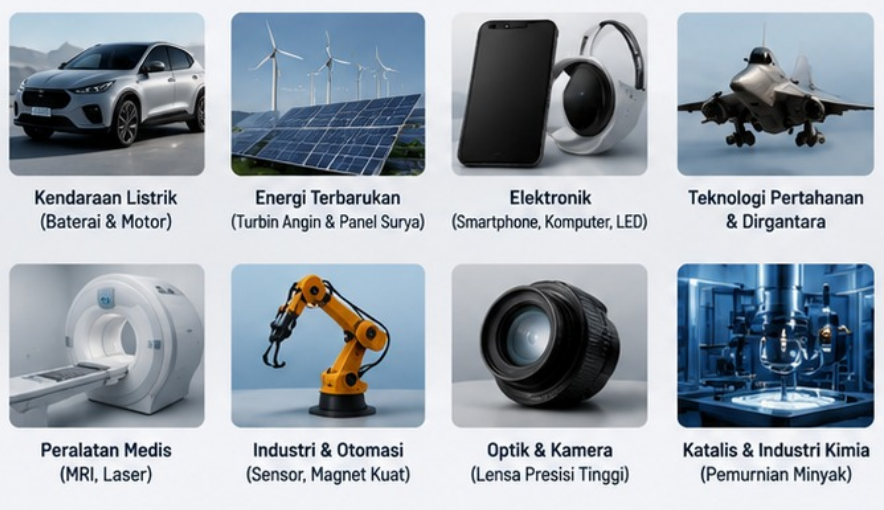
Oil refining catalysts (fluid catalytic cracking). Cerium oxide is an important component of the catalysts refineries use to break heavy hydrocarbon molecules into higher-value fuels such as gasoline. This application consumes a significant global volume of cerium.
Vehicle catalytic converters. Cerium oxide plays a role in catalytic converters by dynamically storing and releasing oxygen, supporting the oxidation reactions that reduce carbon monoxide and unburned hydrocarbon emissions from vehicle exhaust.
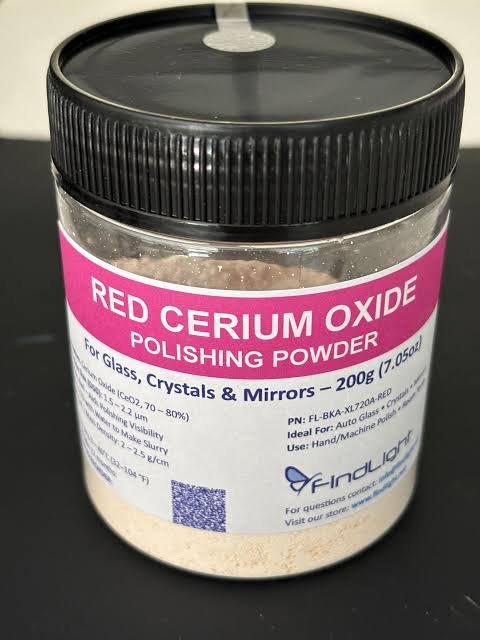
High-precision glass polishing. Cerium oxide is the industry-standard polishing compound for high-precision glass, including optical lenses, electronic display glass, and mirrors, chosen for its ability to produce an extremely smooth surface without damaging the underlying material.
Metal alloys and metallurgy. Adding a small amount of cerium to certain magnesium and aluminum alloys improves high-temperature oxidation resistance, a role similar to that played by yttrium as discussed in the yttrium article. Cerium is also used as an inoculating agent in some cast iron casting processes to refine graphite structure.
Pigments and other glass applications. Cerium oxide is used as a color stabilizer and UV absorber in some specialty glass formulations, including glass designed to resist long-term degradation from radiation exposure.
Cerium and the Economics of an “Oversupplied” Element
Because of its very high abundance relative to market demand, cerium actually faces a unique economic challenge: when an REE mine processes ore to extract more valuable elements such as neodymium or HREEs, cerium is co-extracted in large quantities as a “byproduct” that the market cannot always absorb.
Implication for REE mine operators: cerium’s oversupply relative to demand can push its selling price close to, or even below, production cost, creating a distinct economic challenge in designing an REE mining business model. The model must account for the combined value of all elements produced, not just the primary target element.
The search for new applications. Research continues to look for new applications to absorb excess cerium supply, including exploring its use in battery and fuel cell technology, though no single application yet matches the consumption scale of oil catalysts and catalytic converters.
Comparison with Other Rare Earth Elements
Unlike neodymium magnets, whose demand has surged with EV growth, cerium demand is relatively more stable because it is tied to mature industrial applications such as oil refining and conventional automotive. Yet the long-term shift toward electric vehicles, which do not need catalytic converters, could eventually pressure one of its main demand sources.
Why Understanding Cerium Completes the Picture
The case of cerium reveals another side of rare earth market complexity that often gets overlooked: it is not just about scarcity and high prices as with HREE, but also the challenge of balancing production when one element is naturally abundant yet its demand is limited. Understanding this dynamic matters for anyone analyzing the economic feasibility of an REE mining project comprehensively, including potential downstream projects in Indonesia that need to consider the market for every element produced, not just the high-value elements that draw the initial interest.