For years, rare earth elements (REEs) made headlines mostly through mining and geopolitics. Lately, though, one figure has caught the attention of energy analysts everywhere: demand for rare earth magnets is projected to rise 30% by 2030 compared to current levels, having already more than doubled since 2015. The driver isn’t a single industry — it’s a convergence of vehicle electrification, clean energy expansion, and, more surprisingly, a boom in robotics and AI data centers.
This article breaks down why permanent magnets have suddenly become one of the most contested materials in global manufacturing, what it means for supply chains, and where opportunities lie for producers outside China.
It’s the Magnet, Not the Battery, That’s the Real Bottleneck
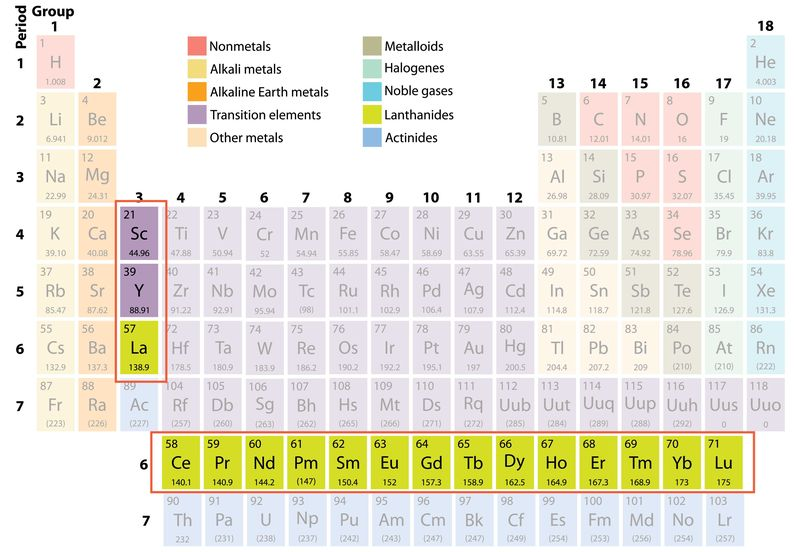
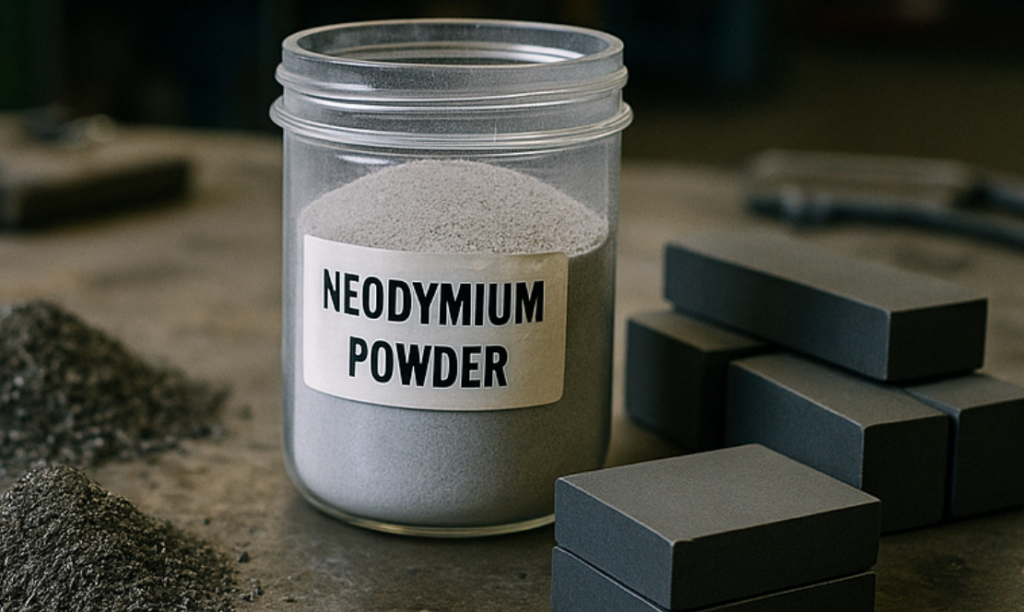
Most people assume the biggest constraint on electric vehicles is battery supply. In reality, the component most dependent on rare earths is the traction motor — the motor that drives an EV’s wheels — which relies on Neodymium-Iron-Boron (NdFeB) permanent magnets. These magnets use neodymium and praseodymium as their core elements, with dysprosium and terbium added to maintain magnetic strength at high operating temperatures.
Permanent magnets now account for roughly 95% of total rare earth consumption by economic value. The EV sector’s share of that magnet demand has jumped sharply — from under 1% in 2015 to around 9% today, projected to double to 18% by 2030. This tracks with global EV sales, which grew nearly sixfold between 2020 and 2024.
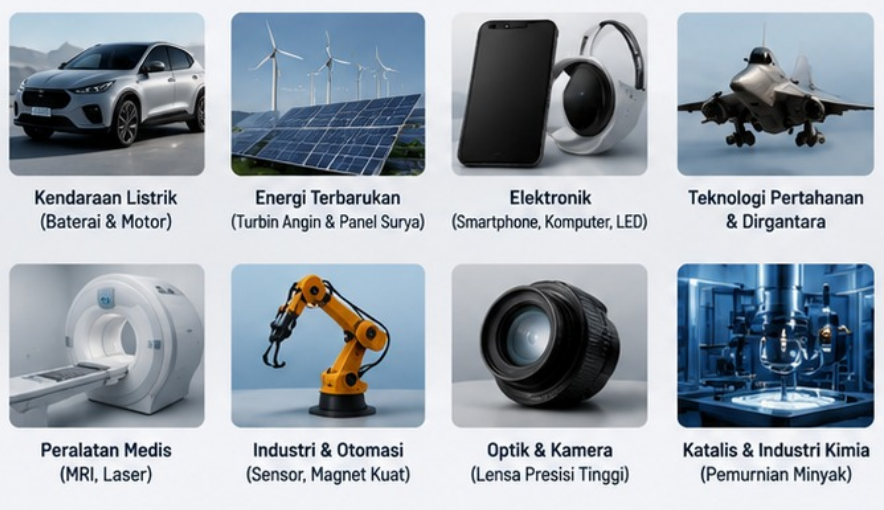
Notably, mineral demand for electric vehicles is roughly six times higher than for conventional cars, while demand for onshore wind power is up to nine times higher than for gas-fired generation. In other words, the broader energy transition — not just the auto industry — is driving rare earth demand on a scale many hadn’t fully appreciated.
Beyond EVs: Robots, Drones, and Data Centers Are Competing Too
A notable shift in 2026 is that rare earth magnet demand is no longer dominated solely by EVs. Several other sectors are now pulling hard on the same supply:
- Industrial and humanoid robotics, which need high-torque, lightweight motors.
- Drones and defense systems, which rely on magnets with high thermal resistance and coercivity.
- AI data centers, which depend on magnet-based components for cooling systems and precision motors.
- Wind turbines, where permanent magnets enable gearbox-free designs with fewer points of mechanical failure.
Some market analysts argue the geopolitical framing has overshadowed the real story: a genuine demand surge across multiple sectors at once, not just a question of who controls whom.
Supply Concentration Remains Deeply Uneven
Meanwhile, the supply side hasn’t changed much. China still dominates production of sintered NdFeB magnets — the type most used in EVs and wind turbines — with its share of global output rising from around 50% two decades ago to roughly 94% today. This concentration leaves global EV supply chains exposed to a single country’s export policy, something automakers in the US and Europe have already felt firsthand when magnet exports were briefly restricted.
Some diversification efforts are underway: solvent-free extraction methods like bioleaching to reduce environmental impact, low-REE motor designs, and exploration of non-rare-earth magnet alternatives. So far, though, none has matched the performance of NdFeB magnets in demanding applications like high-performance EV traction motors or humanoid robot joints.
Indonesia’s Position: From Reserves to Magnet Downstream Processing
For countries like Indonesia, this moment carries strategic weight. Several recent developments stand out:
- Plans for a domestic permanent magnet plant. Danantara has stated Indonesia is targeting NdFeB-based permanent magnet production starting around 2028, as part of a downstream chain aimed at traction motors and electric vehicles.
- A monazite separation pilot plant in Bangka Belitung, developed with BRIN, PT Timah, and MIND ID, sourcing REEs from tin-mining byproducts — though still at pilot scale.
- Expansion into defense applications, with REEs being explored for armor steel in partnership with Krakatau Steel, alongside potential uses in semiconductors, radar, and sensors.
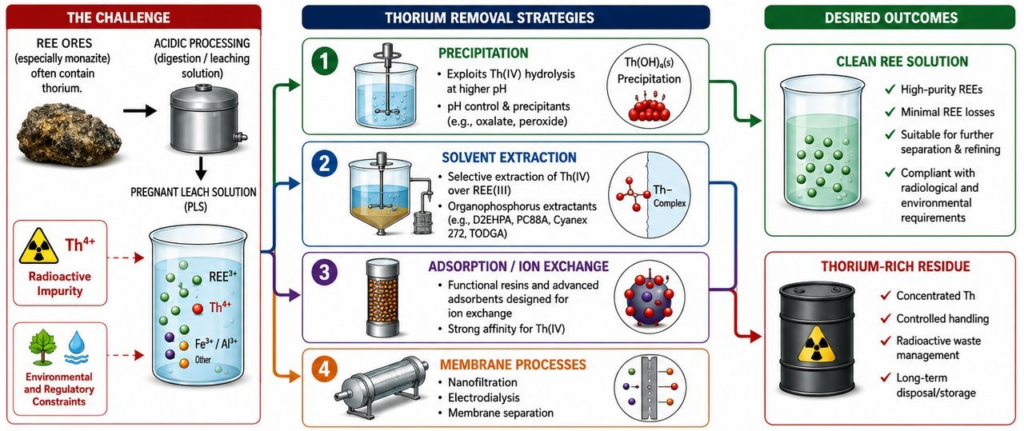
- A push for technology partnerships. Indonesia’s Mineral Industry Board (BIM) has emphasized that the core challenge isn’t reserve availability but mastering the separation of 17 rare earth elements into single, usable elements — a complex and costly process.
With reserves distributed across areas including Bangka Belitung, Indonesia has the raw material. What remains is building domestic processing and refining capacity so the added value stops flowing out as raw exports.
The Challenges That Still Loom
Several analysts caution that the rare earth market has a long history of boom-and-bust cycles: rising prices spur new mining and processing investment outside China, only for a price drop or a loosening of Chinese export policy to make those projects uneconomical again. This pattern has repeatedly discouraged long-term investment in the sector — and it’s a real risk for downstream projects in Indonesia and elsewhere unless backed by consistent policy support.
Conclusion
This year’s surge in rare earth magnet demand shows that the future of electrification — EVs, renewable energy, and robotics alike — hinges on a link in the chain that’s received far less attention than it deserves: turning raw rare earth elements into finished permanent magnets. For metallurgy and mining industries in resource-rich countries, this is both an opportunity and a test — whether strategic mineral reserves can be converted into real domestic magnet production capacity, or whether they remain just raw material feeding a global supply chain controlled elsewhere.
(Data and official statements referenced in this article are drawn from the International Energy Agency’s report “Rare Earth Elements: Pathways to Secure and Diversified Supply Chains,” along with industry and news coverage throughout 2026.)