The steel industry is one of the largest sources of industrial carbon emissions in the world, and pressure to reduce them keeps growing. The phrase that comes up most often is “green steel,” especially hydrogen-based production. This article summarizes the technology routes, the obstacles that remain, and why these developments matter for Indonesia’s metallurgy industry. Because the field moves quickly, specific figures and projects should always be checked against the latest sources.
Three Main Steelmaking Routes
Blast furnace and basic oxygen furnace (BF-BOF). The conventional route, which reduces iron ore using coke made from coal. It dominates globally but is the most carbon-intensive.
Direct reduced iron (DRI) followed by an electric arc furnace. Iron ore is reduced in the solid state, usually with natural gas, producing sponge iron that is then melted in an electric arc furnace. Emissions are lower than BF-BOF, and it serves as a bridge toward hydrogen.
Scrap-based electric arc furnaces. Melting steel scrap gives a much lower carbon footprint, although it is limited by the availability and quality of scrap.
The Role of Hydrogen
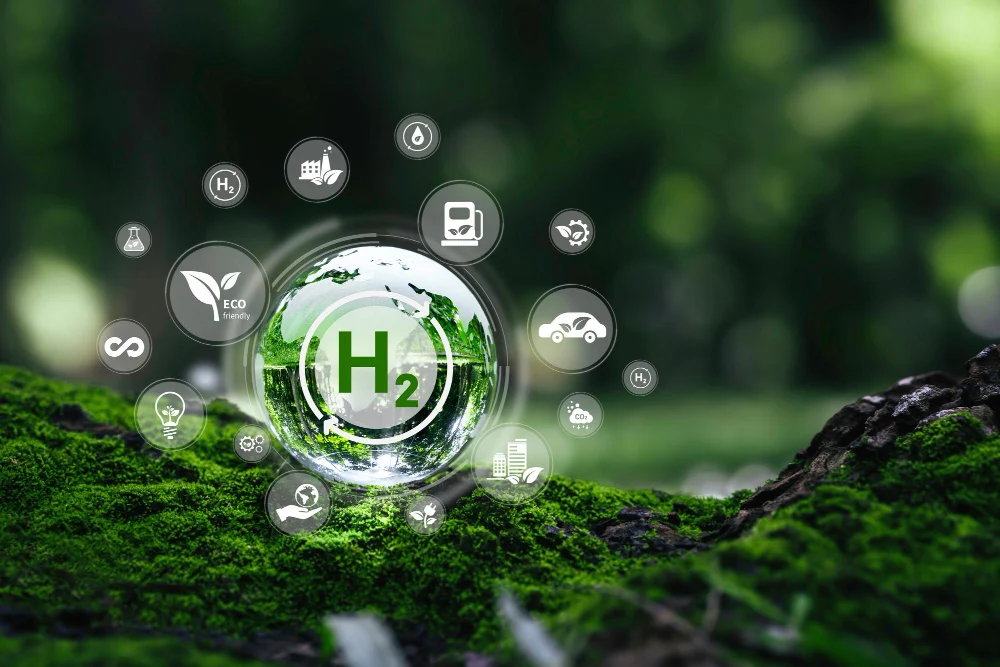
In hydrogen-based DRI, hydrogen replaces natural gas as the reducing agent, so the main by-product of the reaction is water vapor rather than carbon dioxide. If the hydrogen is produced by electrolysis of water using renewable electricity (“green hydrogen”), steelmaking emissions can fall significantly.
Obstacles that are still real:
- The cost of green hydrogen is still high and depends heavily on the price of renewable electricity
- Very large electricity demand, because electrolysis and electric arc furnaces are both energy-hungry
- Infrastructure for producing, storing, and distributing hydrogen is not yet mature in many regions
- Ore quality. DRI generally requires high-grade iron ore, which is not evenly available
As a result, many producers take a phased approach: starting with natural gas-based DRI that can later switch to hydrogen, while increasing their share of renewable electricity.
Policy and Market Drivers
Carbon border mechanisms. The European Union’s Carbon Border Adjustment Mechanism (CBAM) covers steel products, so producers outside the region need to account for the carbon footprint of their products when exporting there. Similar policies are being discussed in several other countries.
Demand from steel users. Some vehicle manufacturers and construction companies have stated a preference for low-carbon steel, although their willingness to pay a price premium varies.
Standards and certification. The definition of “green steel” is not yet fully consistent between countries, so standards for measuring carbon footprint are an important issue if claims are to be comparable and verifiable.
What It Means for Indonesia
The domestic steel industry faces a question with no simple answer. An electricity mix that still relies on coal means the carbon benefits of electric arc furnaces are not yet fully realized. On the other hand, Indonesia’s large renewable energy potential could become a long-term advantage if the infrastructure develops. Protection measures such as those discussed in Indonesia’s steel import tariff policy also need to be weighed alongside decarbonization demands so that the two do not cancel each other out.
For downstream industries such as metal casting, this trend means that steel feedstock with a verified carbon footprint may become a requirement from export customers in the future, so tracking these developments is part of supply chain planning.
What to Watch Next
- Falling costs of green hydrogen and the availability of industrial-scale renewable electricity
- Progress on international standards for defining and measuring low-carbon steel
- Carbon border policies in major export markets
- Concrete investments in DRI and electric arc furnace facilities in Southeast Asia