Tin is a small market with an outsized role. Nearly every electronic device needs tin-based solder to join components to circuit boards. Over the past two years its price has risen sharply, and Indonesia sits at the center of that story as the world’s largest tin exporter. This article complements our coverage of the global copper market in 2026 and the global aluminum market in 2026 .
Prices: A Sharp Rise Since 2024
According to the International Energy Agency’s Global Critical Minerals Outlook 2026, the cash price of tin on the London Metal Exchange nearly doubled between January 2024 and early 2026. Credit insurer Coface noted that prices came close to US$50,000 per tonne early this year. That is well above the forecast BMI (Fitch Solutions) made in late 2025, which projected an average of US$35,000 per tonne for 2026.
The IEA finds that refined tin supply has recovered from the 2025 disruptions and that inventories have started to rise. Even so, prices are expected to stay above historical averages because underlying demand is strong.
Supply: Three Pressure Points
The tin market is highly concentrated. A disruption in a single country is enough to move prices.
Indonesia. The IEA puts Indonesia’s share of global tin mine production at about 21%, second to China at 24%. Since 2024, Indonesian supply has been disrupted by a crackdown on illegal mining and by licensing changes. Work plan and budget (RKAB) approvals are now issued annually instead of every three years. Research firm CRU expects this to keep regulatory uncertainty alive in 2026, with Indonesia’s refined tin output trending toward about 60,000 tonnes.
Myanmar. Mining in Wa State, an important source of concentrate for Chinese smelters, has been suspended since 2023. The restart has been gradual and slower than expected, pushing the supply recovery into 2026.
Democratic Republic of Congo. A high-grade tin mine in the east of the country halted operations for a time in 2025 because of armed conflict. The security risk has not fully gone away.
Beyond these three, few new mining projects are in the pipeline. BMI expects the concentrate market to stay tight, with smelters competing for feed. CRU concludes that tin will continue to trade with a supply risk premium.
Demand: Solder, Semiconductors, and Energy
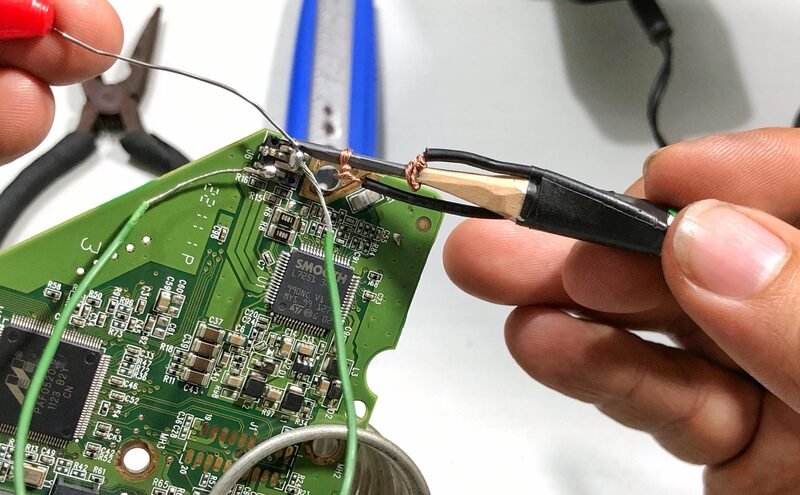
According to the IEA, more than half of global tin consumption goes into solder. That ties tin demand to electronics and semiconductor output. Data center construction for artificial intelligence adds demand for servers and network equipment, all of which need solder.
Other growing uses include interconnect ribbon in solar panels, tin chemicals for PVC plastics, tinplate for packaging, and alloys such as bronze and bearing metals. For copper-tin alloys, see non-ferrous metal casting.
Indonesia’s Position and Policy Direction
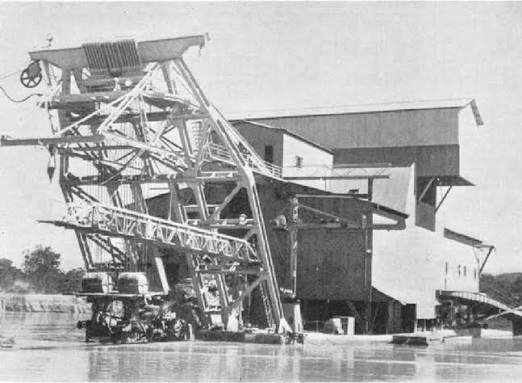
Indonesia banned tin ore exports long ago and ships only refined ingots. Even so, the IEA notes that China still controls about half of global refined tin supply, and most downstream industries such as solder and tin chemicals sit outside Indonesia.
Three things will shape the way forward:
- Mining governance. The crackdown on illegal mining cuts supply in the short term, but it is needed to provide the traceability that buyers increasingly demand.
- Licensing certainty. Late RKAB approvals show up directly in export figures and world prices.
- Downstream industry. The government is promoting domestic solder, tinplate, and tin chemical industries, and has floated a minimum reference price to stabilize the market.
Tin tailings also hold monazite containing rare earths, which links tin policy to rare earth downstream processing in Indonesia.
Impact on User Industries
For electronics makers and circuit board assemblers, solder prices follow tin prices, so contracts with price adjustment clauses and inventory management matter more. For foundries that use tin bronze or bearing metals, raw material costs rise as well, and scrap use and recycling become more valuable.
Note: the tin market moves quickly. Before publishing, check current prices on the London Metal Exchange and the latest reports from the International Tin Association (ITA).