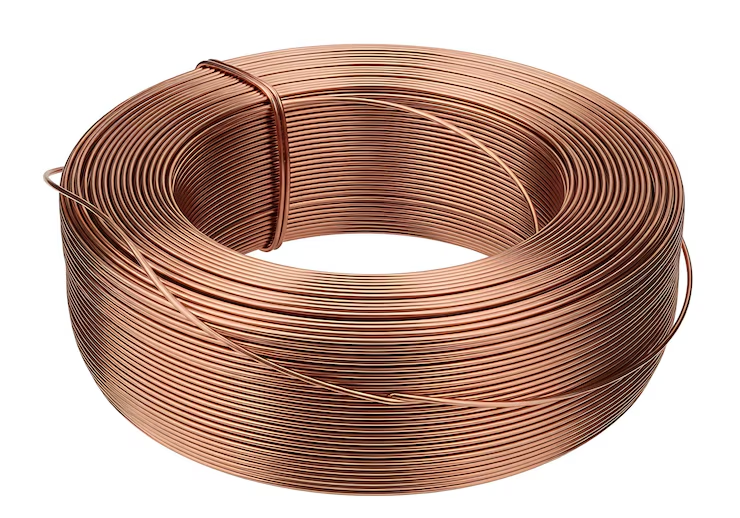
Copper is often seen as the metal that reflects the state of the economy fastest, because it is used in almost every sector: construction, power, automotive, and electronics. In 2026, copper is one of the most closely watched metal markets. Prices hit a record early in the year, while analysts disagree on whether the market has already slipped into deficit or remains roughly balanced. This article summarizes the forces shaping copper this year, as a companion to our review of the global aluminum market in 2026.
Supply: New Mines Struggle to Keep Up
Falling ore grades. Many of the world’s largest copper mines have operated for decades. Their ore grades keep declining, so more rock must be mined and processed to produce the same amount of copper.
Slow, expensive new projects. Going from discovery to production can take more than a decade, including permitting and infrastructure. Supply therefore cannot respond quickly to higher prices.
Operational disruptions. Incidents at several large mines, including in Chile and Indonesia, have reduced output and made the market more sensitive to further disruption news. Chile remains the largest producer, so conditions at South American mines are always in focus.
Tight concentrate market. Global smelting capacity, especially in China, has grown faster than mine concentrate supply. Smelters competing for concentrate have pushed treatment charges down to very low levels.
Demand: Old and New Drivers
Electrification and renewables. Electric vehicles use far more copper than combustion-engine vehicles, and solar and wind power are also copper-intensive. This links to trends covered in our case study on casting in the power and energy industry.
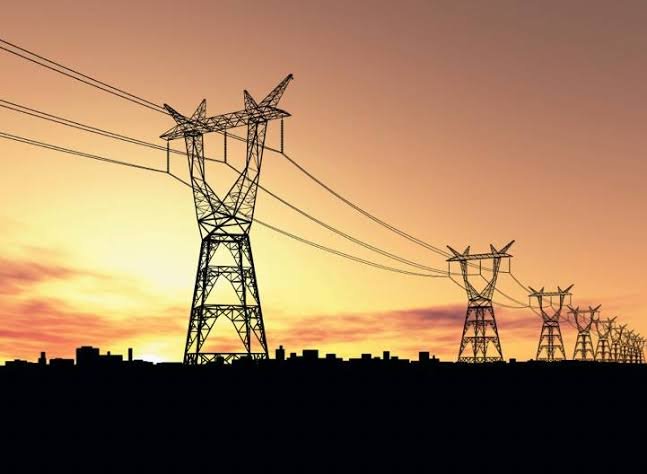
Power grids and data centers. The new driver most discussed in 2026 is the build-out of data centers for artificial intelligence and the grid upgrades that come with it. Cables, transformers, and power distribution systems all need large amounts of copper.
Weaker traditional demand. On the other hand, construction and property in China, the largest copper market, have not fully recovered. Some analysts also expect high prices to encourage substitution with aluminum in certain cable applications and to increase scrap supply.
Deficit or Surplus? A Divided View
Analysts agree that copper is heading toward a structural shortage, but not on the timing. Some institutions expect a refined copper deficit in 2026. Others expect a small surplus this year, with a real deficit arriving a few years later. This disagreement helps explain why copper prices are so volatile: any news of a mine disruption or Chinese demand data can move prices sharply.
Policy and Trade Factors
Talk of a United States tariff on refined copper imports is a major source of uncertainty. Tariff speculation led some market players to build stocks in the US early, so prices and inventories on different exchanges have moved unevenly. Such policies echo the dynamics of steel import tariffs: protective measures in one country quickly ripple into global prices and trade flows.
Indonesia’s Position
Indonesia holds large copper reserves and has pursued downstream processing by requiring domestic refining. New domestic copper smelters are shifting exports from concentrate to copper cathode, in line with the policy direction also applied to nickel smelters. The next challenge is building downstream industry that uses this cathode at home, such as cable plants, copper rod, and copper alloy casting for brass and bronze.
What It Means for Foundries
For foundries producing brass, bronze, or pure copper parts, high and volatile copper prices make raw material costs hard to predict. Common responses include tying selling prices to metal price indices, using more internal scrap and recycled material, and reviewing designs for more efficient material use. For buyers, it is also a prompt to check whether some copper parts can be switched to aluminum without compromising function.
Note: the copper market moves quickly. Before publishing, check current prices and the latest forecasts from bodies such as the International Copper Study Group (ICSG).