
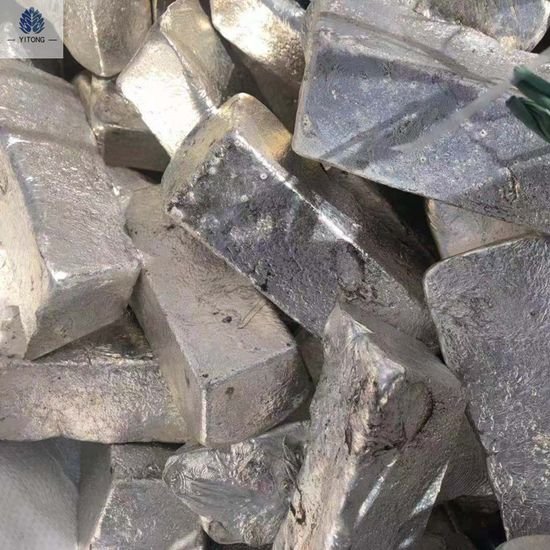
Among structural metals used in industry, magnesium holds the record as the lightest structural metal, about two-thirds the density of aluminum and only a quarter the density of steel. But this weight advantage comes with a production challenge most other metals do not share: molten magnesium is highly reactive and can ignite easily if not handled with the right procedures.
Why Magnesium Is Attractive for Light-Weight Applications
Superior strength-to-weight ratio. Although magnesium’s absolute strength is lower than steel’s, its strength-to-weight ratio is competitive, making it an attractive choice for components that prioritize weight reduction without sacrificing structural stiffness.
Good vibration damping. Magnesium has better vibration damping than aluminum, relevant for components exposed to constant mechanical vibration such as transmission housings or engine components.
Excellent machinability. Magnesium is relatively easy to machine compared with many other structural metals, producing smooth surfaces with low cutting tool wear.
Main Challenge: Reactivity and Fire Risk
Molten magnesium oxidizes and ignites easily. At melting temperature, magnesium reacts quickly with oxygen in the air, and under certain conditions this reaction can develop into a metal fire that is difficult to extinguish with conventional firefighting methods. Water can actually worsen the reaction, because magnesium reacts with water and releases flammable hydrogen gas.
Need for special cover gas. To prevent oxidation during melting and pouring, magnesium foundries use a cover gas mixture (such as sulfur hexafluoride or a more environmentally friendly alternative) that forms a protective layer over the molten metal surface.
Strict workplace safety procedures. Magnesium machining dust and chips are highly flammable, requiring handling, storage, and waste disposal procedures that differ significantly from other structural metals, including dedicated metal fire (Class D) extinguishing systems in the work area.
Common Casting Methods Used
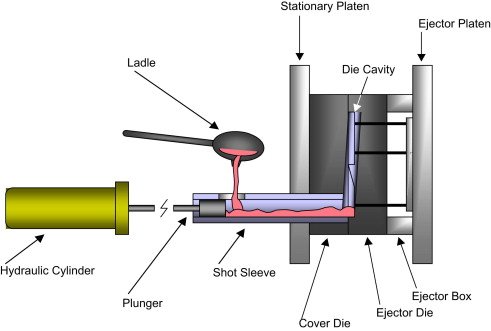
Hot chamber die casting. The most common method for magnesium alloys, taking advantage of magnesium’s relatively low melting point so the injection chamber can sit submerged directly in molten metal, giving a very fast production cycle suited to high volumes such as automotive component casting.
Sand casting with special considerations. For large parts or low volumes, sand casting magnesium remains possible, but it requires special mold binders and oxidation-inhibiting additives compared with conventional sand casting for other metals.
Thixomolding. A semi-solid process variant developed specifically for magnesium, using magnesium powder heated to a semi-solid state inside a closed, inert-atmosphere chamber, reducing fire risk compared with handling fully molten metal.
Main Applications of Cast Magnesium
Automotive components. Transmission housings, steering column brackets, and structural interior components take advantage of magnesium’s light weight to support vehicle fuel efficiency.
Portable electronics casings. Laptops, cameras, and premium portable electronic devices use cast magnesium casings for a combination of light weight, structural rigidity, and better heat dissipation than plastic.
Non-critical aerospace components. Some aircraft interior components and non-primary support structures take advantage of magnesium’s light weight, though its use is more limited than aluminum and titanium for primary structural components due to corrosion resistance and certification considerations.
High-performance sporting equipment. Bicycle frames, racquets, and other sporting equipment take advantage of magnesium’s combination of light weight and vibration damping for optimal performance.
Corrosion Resistance Considerations
Magnesium has relatively low corrosion resistance compared with aluminum, particularly prone to galvanic corrosion when in direct contact with a more noble metal, the same principle discussed in the article on types of corrosion. Common solutions include chemical conversion coatings, protective paint, and joint design that avoids direct contact with other metals without an isolator.
Why Magnesium Remains a Niche Material Despite Its Promise
Though its weight advantage is clear, adoption of cast magnesium remains more limited than aluminum due to a combination of higher raw material cost, production safety complexity, and corrosion resistance that demands more careful design handling. For foundries considering adding magnesium to their product line, investing in safety training and specialized handling equipment is a non-negotiable prerequisite.


