Following the dynamics of the global steel industry, aluminum tells a different market story, with demand driven by a unique combination of vehicle electrification, sustainable packaging, and the challenge of a very energy-intensive production process.
Why Aluminum Demand Keeps Growing
Vehicle electrification. Both electric and conventional vehicle makers are increasing aluminum use to reduce vehicle weight, crucial for EVs since heavy battery weight needs to be offset elsewhere to avoid sacrificing too much driving range. This complements the trend toward aluminum in casting material selection for automotive components.
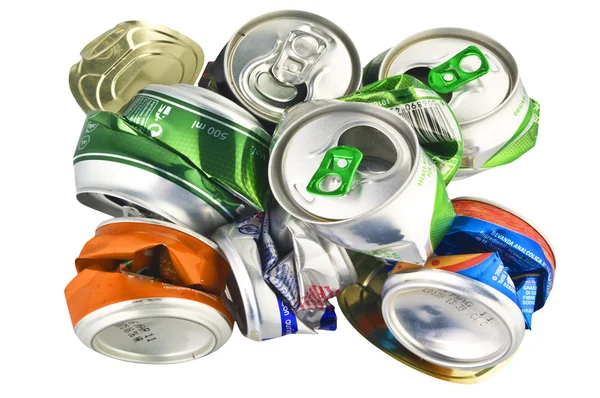
Sustainable packaging. Aluminum beverage cans are increasingly favored as an alternative to single-use plastic, supported by the narrative that aluminum can be recycled repeatedly without losing quality, similar to the principle discussed for steel recycling but with a historically higher recycling rate.
Construction and renewable energy. Window frames, building facades, and solar panel structural components also contribute to demand, driven by the trend toward energy-efficient buildings that take advantage of aluminum’s light weight and corrosion resistance.
The Energy Challenge in Primary Aluminum Production
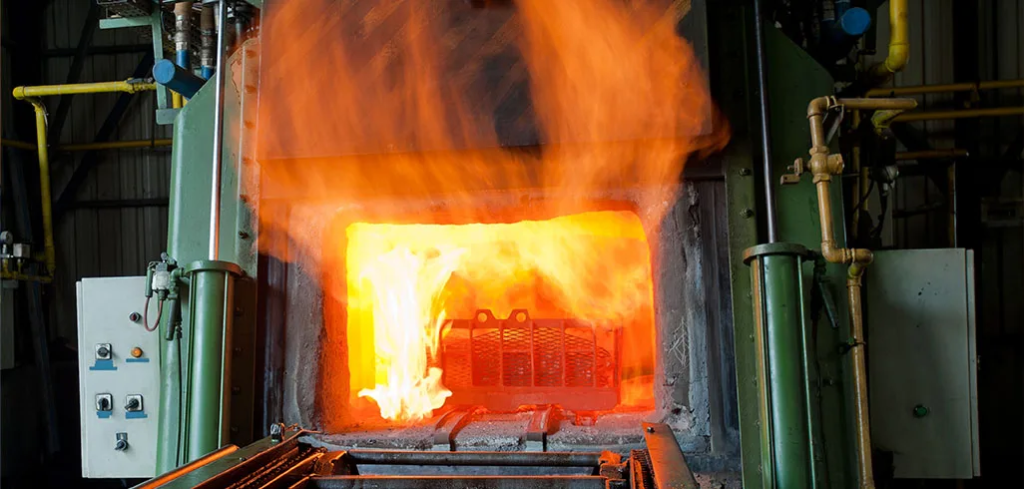
The Hall-Heroult process is extremely electricity-intensive. Producing primary aluminum from bauxite requires electrolysis using a very large amount of energy per ton of product, making electricity cost the dominant component of production cost, far more significant than in steel or copper production.
Smelter location follows cheap electricity. Many primary aluminum smelters have historically been built near cheap energy sources, such as hydroelectric power, because transporting ore is considered cheaper than transmitting electricity over long distances.
A distinctive decarbonization pressure. Because primary aluminum’s carbon emissions depend heavily on the electricity source used, producers with access to renewable electricity hold a significant competitive advantage in the “green aluminum” narrative, in line with a similar trend discussed in the article on green steel and hydrogen.
The Role of Recycled Aluminum
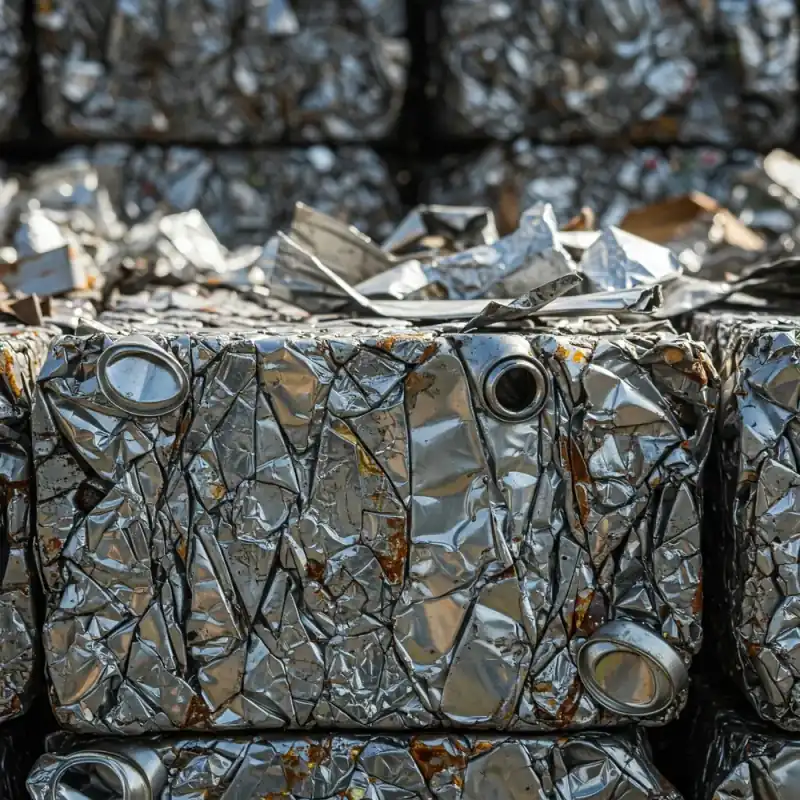
Drastic energy savings. Melting recycled aluminum (secondary aluminum) requires far less energy than primary production from bauxite, making recycling the most direct and already economically proven decarbonization strategy.
Quality depends on sorting purity. Unlike steel recycling, which is relatively tolerant of composition variation, recycled aluminum for certain applications needs more careful sorting by alloy series, since contamination from certain elements can limit the end application of the recycled material.
Growing supply. As aluminum products reach end of life, from vehicles to buildings, the volume of available scrap keeps increasing, creating an increasingly significant alternative supply base for the industry.
Trade and Policy Dynamics
Like steel, aluminum trade also faces tariff and trade protection dynamics in various countries, though with a somewhat different character due to primary production being more concentrated in countries with access to cheap energy. Policies such as the carbon border mechanisms discussed in the context of steel are also starting to extend to aluminum products, adding pressure on producers to prove their product’s carbon footprint.
Implications for Indonesia’s Metallurgy Industry
For domestic manufacturers that depend on aluminum as a raw material, including for automotive component casting and electronics, global aluminum market dynamics affect medium-term raw material price stability. The potential development of domestic aluminum smelter capacity, in line with the broader mineral downstreaming momentum, is also a relevant area to watch going forward, given Indonesia’s significant bauxite reserves.