Amid the decarbonization pressure covered in the global steel industry outlook, steel recycling stands out as one of the most concrete and technically proven strategies for cutting the metallurgy industry’s carbon footprint. It is also a cornerstone of the circular economy that more and more countries are promoting in 2026.
Why Steel Recycling Is So Strategic
Steel can be recycled indefinitely. Unlike some materials that lose quality every time they are recycled, steel can be remelted and recycled again and again without losing its fundamental mechanical properties, making it one of the most suitable materials for a long-term circular economy.
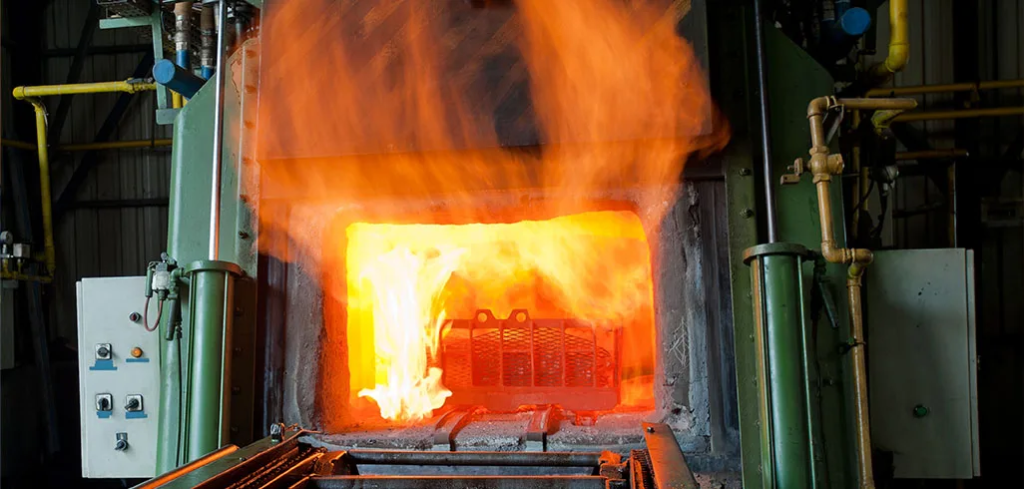
Significant energy savings. Producing steel from recycled scrap in an electric arc furnace (EAF) takes far less energy than producing steel from raw iron ore via the conventional blast furnace route, resulting in substantially lower carbon emissions per ton of steel.
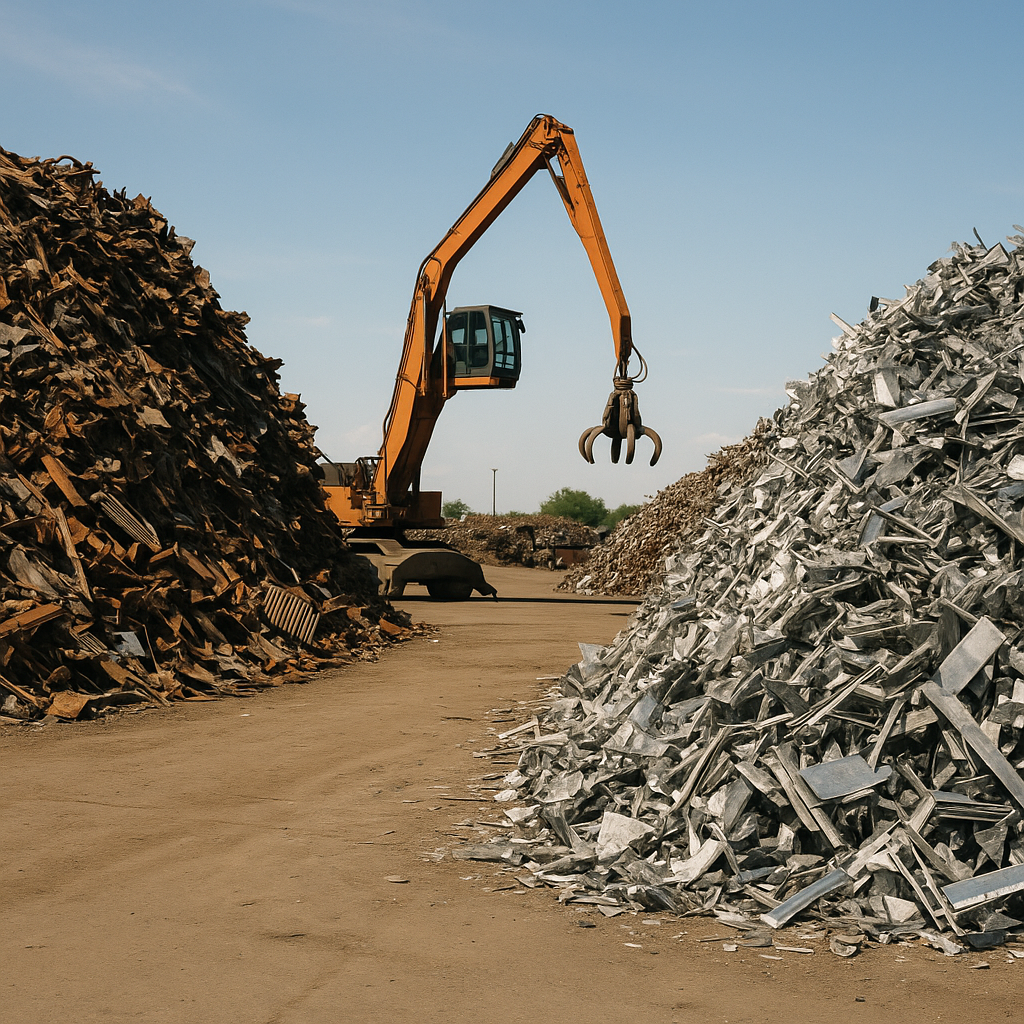
Growing scrap availability. As steel used for decades in infrastructure, vehicles, and equipment reaches the end of its life, the volume of scrap available for recycling keeps growing worldwide, creating an increasingly significant alternative source of feedstock.
Challenges in the Scrap Supply Chain
Variable scrap quality and composition. Unlike iron ore, whose composition is relatively predictable, scrap steel can vary significantly in chemical composition depending on its source. Careful sorting and analysis before melting are needed to ensure the final product meets specification.
Residual element contamination. Some elements, such as copper, are hard to remove fully from steel scrap and can accumulate through repeated recycling cycles, gradually limiting the use of recycled steel for products that need very strict purity specifications.
Complex scrap collection logistics. Collecting steel scrap from widely scattered sources, from end-of-life vehicles and household appliances to demolished buildings, requires efficient logistics and sorting infrastructure to keep recycling economically viable.
Price competition with virgin ore. The economics of scrap recycling depend heavily on the relative prices of scrap and iron ore, which can fluctuate with global commodity markets.
The Circular Economy Extends to Other Metals
The momentum of steel recycling is drawing more attention to circular economy approaches for other metals in the metallurgy ecosystem:
Aluminum. Long known as one of the most recycled metals thanks to very large energy savings: recycled aluminum requires far less energy than production from raw bauxite.
Copper and copper-based alloys. As discussed in non-ferrous metal casting, copper and its alloys also have high recycling value, supporting a copper scrap collection industry that is already fairly mature in many countries.
Rare earth elements. As discussed in Recycling Rare Earth Elements from E-Waste, circular economy efforts are also reaching rare earth elements, although they face much bigger technical and economic challenges than steel or aluminum recycling, whose technology is far more mature.
Impact on Downstream Metallurgy Industries
For downstream industries such as metal casting that use steel and other metals as feedstock, the growing use of recycled material has several implications:
Potential for more stable long-term feedstock prices. Diversifying supply between virgin ore and recycled scrap could reduce the price volatility that has been driven largely by the global ore market alone.
The need for stricter quality verification. Downstream users need to ensure that recycled material still meets the required technical specifications, especially for applications demanding precise mechanical properties.
Opportunities for sustainable product differentiation. Products with high recycled content are increasingly a selling point in markets that care about environmental footprint, opening competitive differentiation for producers who adopt this strategy early.
Policy Directions Supporting the Circular Economy
Many countries are developing policies that explicitly support a circular economy for metals, from tax incentives for using recycled material and minimum recycled content requirements for certain products to regulations that make formal, standardized scrap collection and processing easier. For Indonesia’s metallurgy industry, tracking these global policies is relevant for anticipating both the opportunities and the new standards that may gradually be adopted in the domestic market.