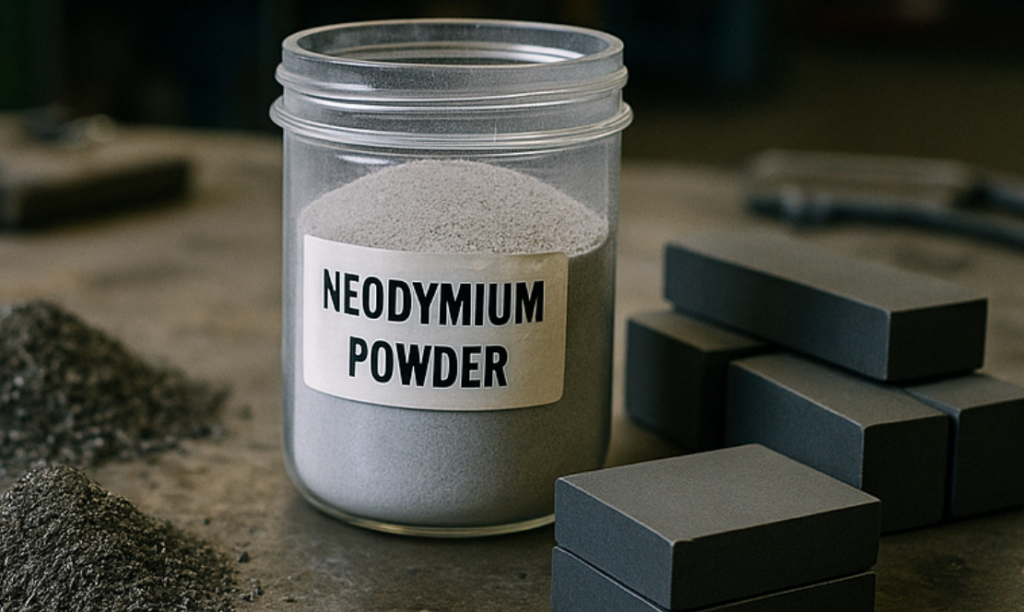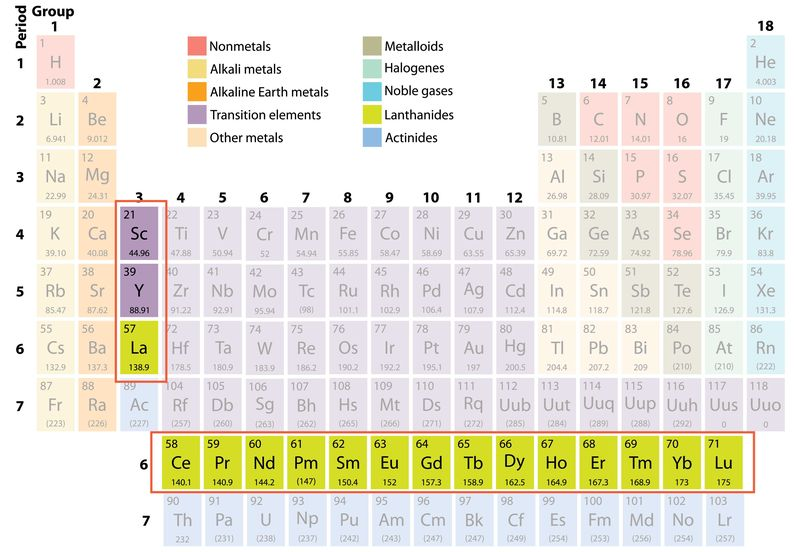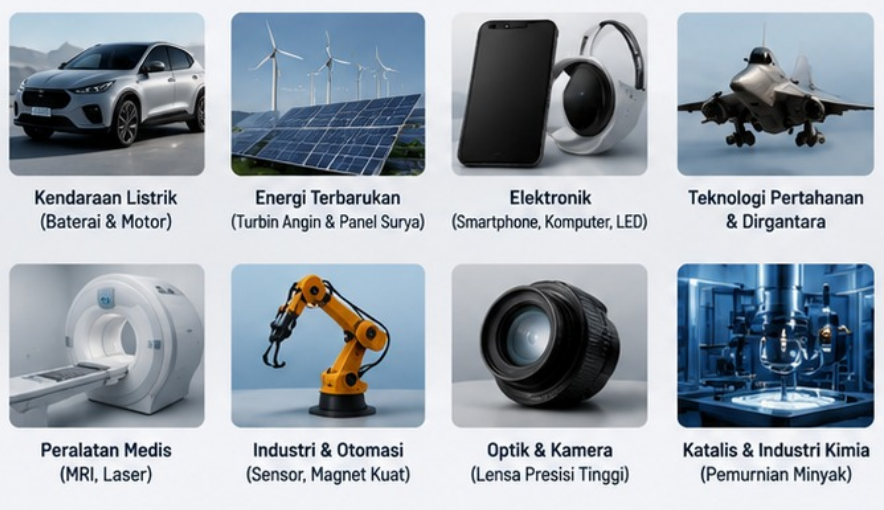
Whenever rare earth elements come up in conversation, the spotlight almost always lands on neodymium magnets for electric vehicles — understandably so, given the surge in demand from that sector. But rare earths have long been a critical raw material across many other industries that rarely make headlines, from smartphone displays to missile guidance systems.
Consumer Electronics: In Every Pocket, Every Day
Rare earth elements are hidden inside nearly every electronic device used daily:
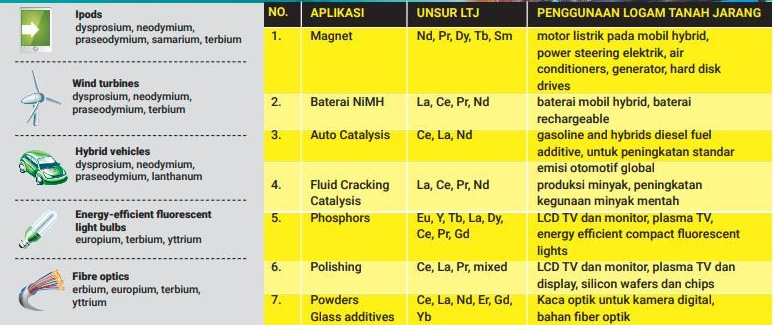
Smartphone and TV displays. Elements like europium and terbium serve as phosphors that produce red and green colors on display panels, while yttrium contributes to certain display technologies.
Speakers and microphones. Small neodymium magnets are used in miniature speakers found in earphones and smartphones because of their ability to generate a strong magnetic field in an extremely compact size.
Hard disk drives. Neodymium-iron-boron magnets drive the read-write head on hard disk drives with high precision, though this technology is gradually being displaced by solid-state drives (SSDs), which require no magnets at all.
Smartphone cameras. Autofocus and optical image stabilization (OIS) systems in modern cameras rely on small rare-earth-based magnetic motors for precise lens movement.
Medical Equipment: Precision That Saves Lives
MRI machines. Some MRI machine designs use neodymium-based permanent magnets as an alternative to far more expensive superconducting magnets that require cryogenic cooling — a practical choice for healthcare facilities with limited budgets or mobility requirements.
Precision surgical instruments. Small, high-power motors built on rare earth magnets power robotic surgical equipment and other precision instruments that demand extremely accurate motion control.
Cancer radiation therapy. Certain rare earth elements, such as gadolinium, are used as contrast agents in medical imaging, helping produce more accurate diagnoses ahead of further medical intervention.
Renewable Energy Beyond Wind Turbines
Beyond offshore wind turbines already discussed in the context of the EV supply chain, REEs also play a role in:
Certain solar panel generations. Some thin-film solar cell technologies use rare earth elements to improve energy conversion efficiency.
Energy storage systems. Several advanced battery formulations (beyond conventional lithium-ion batteries) are exploring rare earth elements to boost energy density.
Defense Systems: Why REEs Became a National Security Issue
This is what explains why rare earth supply chain geopolitics has become such a politically sensitive topic:
Precision guidance systems. Precision-guided munitions rely on rare-earth-based actuator motors for accurate directional control.
Radar and sonar systems. Certain advanced radar system components and submarine sonar equipment use rare-earth-based materials for optimal performance.
Military communications. Rugged communication devices built for harsh field conditions often depend on rare-earth-based electronic components for high reliability in extreme environments.
Because of these defense applications, many countries — including those pushing for domestic REE downstream development — view dependence on a single foreign supply source as a national security risk, not merely an economic one.
Industrial Catalysts: An Often-Overlooked Role
Cerium and lanthanum — two relatively abundant light rare earth elements — are widely used as catalysts in oil refining (fluid catalytic cracking) and in vehicle catalytic converters to reduce harmful exhaust emissions. This application actually consumes a significant volume of REEs, even though it rarely gets the same attention as the more popular EV magnet narrative.
Why Understanding This Application Diversity Matters
Recognizing that REE demand comes from a wide range of sectors — not just electric vehicles — is important for more accurately anticipating rare earth price and market dynamics . When one sector (such as EVs) slows down, demand from electronics, medical, or defense sectors can still sustain overall REE demand — a nuance often lost in media narratives that oversimplify rare earths as merely “the metal for electric cars.”