Ceper is a district in Klaten Regency, Central Java, and one of the oldest and largest metal casting centers in Indonesia. The cluster is centered on the villages of Batur and Tegalrejo and spreads to neighbors such as Ngawonggo and Klepu. Most of the businesses are owned and staffed by local residents.
This article looks at Ceper as a case study: how a cluster of small and medium foundries has lasted for generations, and what will decide its competitiveness.
A Short History
Local accounts trace the casting tradition in Batur back many generations. As an organized industry, a study from Universitas Muhammadiyah Surakarta dates the Ceper metal casting center to 1935, and business owners commonly describe its growth as starting in the Dutch colonial period. The main milestones:
- 1950s: orders for agricultural tools begin to arrive in Batur and push production volumes up.
- Traditional furnace era: melting is done in small local furnaces known as tungkik.
- From the early 1990s: a number of owners move to more modern cupola furnaces.
- Today: larger plants run electric induction furnaces and hold quality management certification.
Scale and Institutions
The number of foundry businesses in Ceper is reported at roughly 180 to more than 200, depending on the source and year. Many belong to the Batur Jaya metal casting cooperative, which helps with raw material purchasing and shared orders.
The area also hosts a polytechnic dedicated to metal casting and manufacturing, which supplies trained technicians.
What Ceper Makes
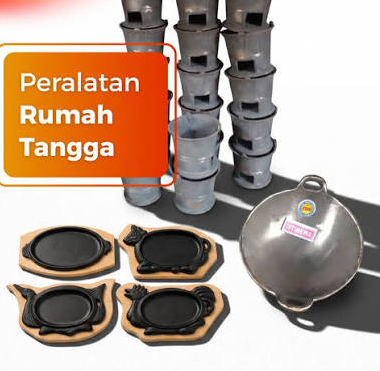
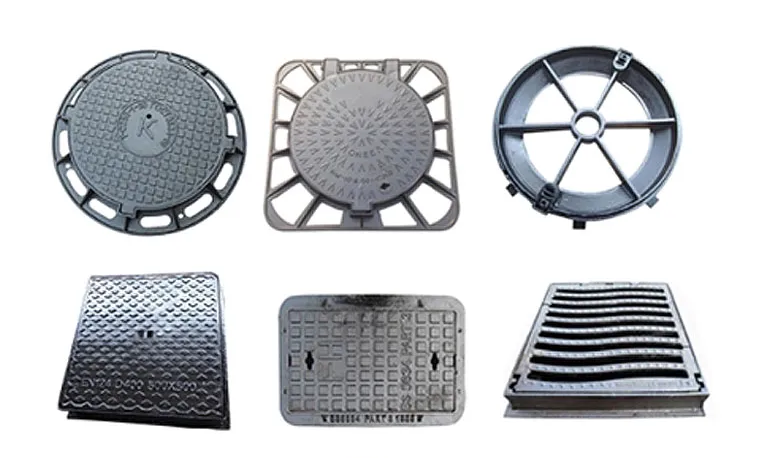
- Municipal castings: manhole covers, drain grates, tree grilles, bollards, lamp posts, ornamental fencing.
- Machine parts: pump housings, impellers, gearbox casings, bearing housings, pulleys.
- Agricultural tools and machinery.
- Automotive and heavy equipment components, from plants that meet supplier standards.
- Decorative items and furniture, such as garden lamps and table legs.
Gray iron and ductile iron dominate. Some foundries also pour steel, manganese steel, stainless steel, aluminum, brass, and bronze. For the material basics, see what is cast iron.
Processes and Technology
Most production uses sand molds, which are flexible for small batches and varied shapes. For how this compares with other methods, see sand vs die vs investment casting.
The biggest difference between foundries is the melting furnace:
| Furnace | Characteristics | Effect on quality |
|---|---|---|
| Tungkik | Traditional, small capacity, limited temperature control | Composition hard to hold; suited to simple products |
| Cupola | Larger capacity, continuous operation, coke fired | Productive for cast iron, but high emissions and variable composition |
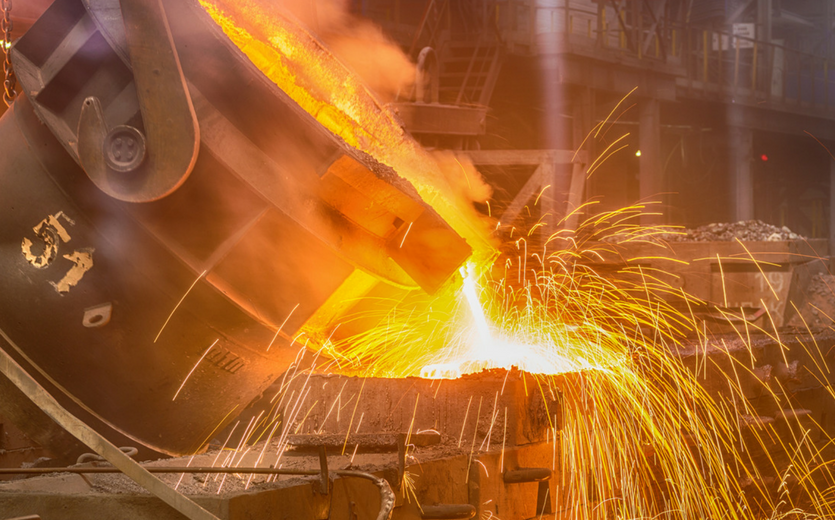
| Induction | Electric, easy control of temperature and composition | Needed for ductile iron, steel, and tight specifications |
Other differentiators are a spectrometer for chemical analysis, a sand laboratory, and an in-house machine shop.
Why the Cluster Has Lasted
- Inherited skill. Pattern making, molding, and pouring knowledge is passed down within families and between neighbors.
- A supply chain in one place. Pattern makers, foundries, machine shops, and raw material traders sit close together, so orders can be shared and completed quickly.
- Flexibility for small and custom orders, a segment that large plants tend to avoid.
- Location. Ceper lies on the Yogyakarta–Solo corridor, close to markets and transport routes across Java.
Challenges
- Raw materials and energy. Scrap, coke, and electricity prices weigh heavily on margins. Academic studies of the cluster repeatedly cite raw material difficulty.
- Consistent quality. Automotive and heavy equipment customers require controlled chemistry, microstructure, and dimensions, which is hard without induction melting and test equipment.
- Environment and worker safety. Cupola emissions, sand dust, and heat exposure remain open issues.
- Import competition on standard products.
- Workforce renewal in hot, heavy work.
Lessons from Ceper
Ceper shows that a community-based industrial cluster can last for decades when skills and supply chain are concentrated in one place. Moving up from general castings to higher-value components takes more than skill, though. It takes investment in process control: melting with controlled chemistry, material testing, sound gating design and simulation, and a documented quality system.
Tips for Buyers Sourcing Castings from Ceper
- Ask which furnace type the foundry uses and whether it has a spectrometer.
- Check certification such as ISO 9001 and ask for references in the same alloy.
- Request material certificates and, for ductile iron, nodularity and hardness results.
- Confirm whether machining is done in house or subcontracted within the cluster.
- Start with a sample order before committing to volume.
Frequently Asked Questions
Where is Ceper? In Klaten Regency, Central Java, Indonesia, between the cities of Yogyakarta and Surakarta (Solo).
What do Ceper foundries produce? Manhole covers, pump and machine components, agricultural tools, automotive parts, lamp posts, and decorative castings.
Do Ceper foundries export? Some of the larger, certified foundries supply international projects, while most businesses serve the domestic market.