
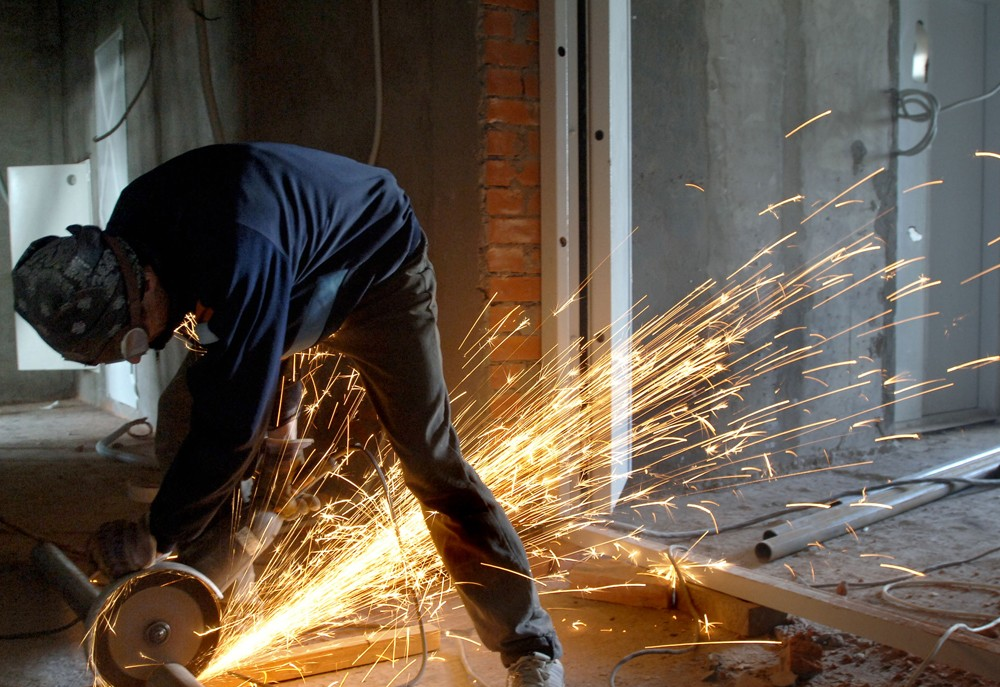
Fettling is the set of operations that cleans a casting after it is removed from the mold. It removes everything that is not part of the product: gates, runners, risers, flash, core residue, and adhering sand. The term is British in origin; in North America the same work is usually called cleaning or the cleaning room.
Every casting goes through fettling. The work is labor intensive, so how a foundry handles it has a large effect on cost and delivery time.
Where Fettling Sits in the Casting Process
The usual sequence is melting, pouring, solidification, shakeout, fettling, heat treatment if required, inspection, and machining.
Fettling is often confused with finishing. Fettling is the first, rough part of finishing, where excess metal is removed. Finishing covers more, including machining, coating, and painting. The full sequence is described in our article on casting finishing processes.
Steps in the Fettling Process
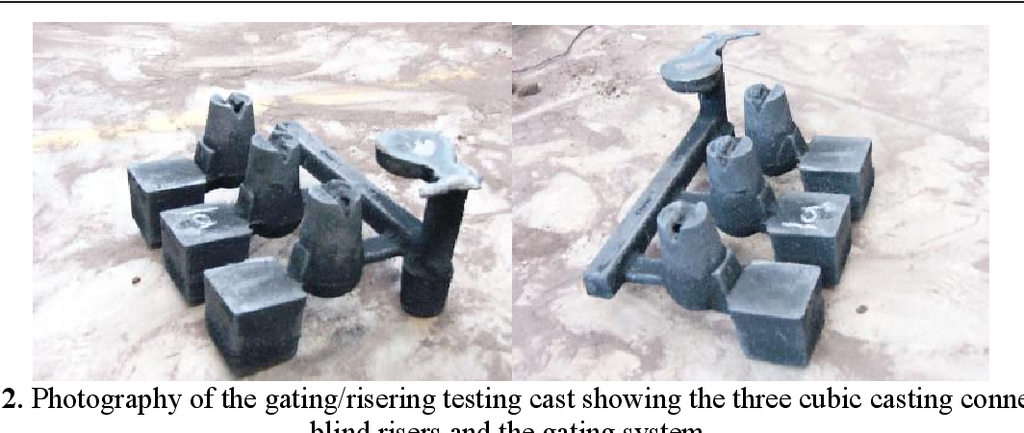
1. Removing gates and risers. The gating system and risers come off first. The method depends on the material:
- Gray iron is brittle, so gates can often simply be knocked off.
- Ductile iron and aluminum alloys are cut with a band saw or abrasive cut-off wheel.
- Tough, heavy-section steel castings are cut with oxy-fuel torches or arc-air gouging.
2. Removing sand and cores. Adhering sand and internal cores are removed by vibration, pneumatic chisels, or high-pressure water.
3. Removing flash and fins. Flash forms at the parting line and around core prints. It is chipped or ground off.
4. Grinding the stubs. What remains of the gate and riser contacts is ground flush with the casting contour.
5. Surface cleaning. Shot blasting removes scale and residual sand and gives a uniform surface.
6. Repairing minor defects. Surface defects that the specification allows to be repaired are ground out or welded. See our article on repair welding for castings.
Tools Used
- Hand grinders for general work and hard-to-reach areas.
- Pedestal and swing-frame grinders for larger castings.
- Pneumatic chisels for flash and core residue.
- Band saws and cut-off wheels for gates and risers.
- Shot blasting machines: hanger, table, or tumble type.
- Robotic fettling cells and CNC grinding machines for high-volume, repeatable parts.
Safety in the Fettling Shop
Fettling is among the highest-risk areas of a foundry. The main hazards are:
- Silica dust from molding sand, which can cause silicosis after long-term exposure.
- Hand-arm vibration from grinders and pneumatic chisels.
- Noise that is high and continuous.
- Sparks and flying metal fragments.
- Manual handling of heavy castings.
Common controls are local exhaust ventilation, enclosed grinding booths, job rotation, lifting aids, and personal protective equipment: respirators, face shields, hearing protection, and gloves.
How Foundries Reduce Fettling
Fettling adds no value to the part; it only removes excess. The most effective reductions happen upstream:
- Design gating that comes off easily. Necked-down riser contacts or breaker cores let risers be knocked off with a small witness. The principles are covered in our article on gating and riser design.
- Keep mold and core quality high. Tight molds and accurate patterns reduce flash.
- Put the parting line where it is easy to grind.
- Choose a suitable process. Die casting and investment casting produce cleaner castings than sand molds, as compared in sand vs die vs investment casting.
- Automate repetitive work. Grinding robots give consistent results and keep workers away from dust and vibration.
Frequently Asked Questions
What does fettling mean? Fettling means cleaning and trimming a casting by removing gates, risers, flash, and sand after it leaves the mold.
What is the difference between fettling and finishing? Fettling is rough cleaning. Finishing includes fettling plus later operations such as machining and coating.
Can fettling cause defects? Yes. Grinding too deep reduces wall thickness, and excessive heat during cutting can crack some materials. That is why inspection follows fettling.
Conclusion
Fettling is the cleaning stage every casting must pass through. The work is simple in principle but absorbs a lot of labor and carries real health risks. Good foundries reduce fettling at the gating and molding stage, then handle what remains with the right tools and safety controls.


