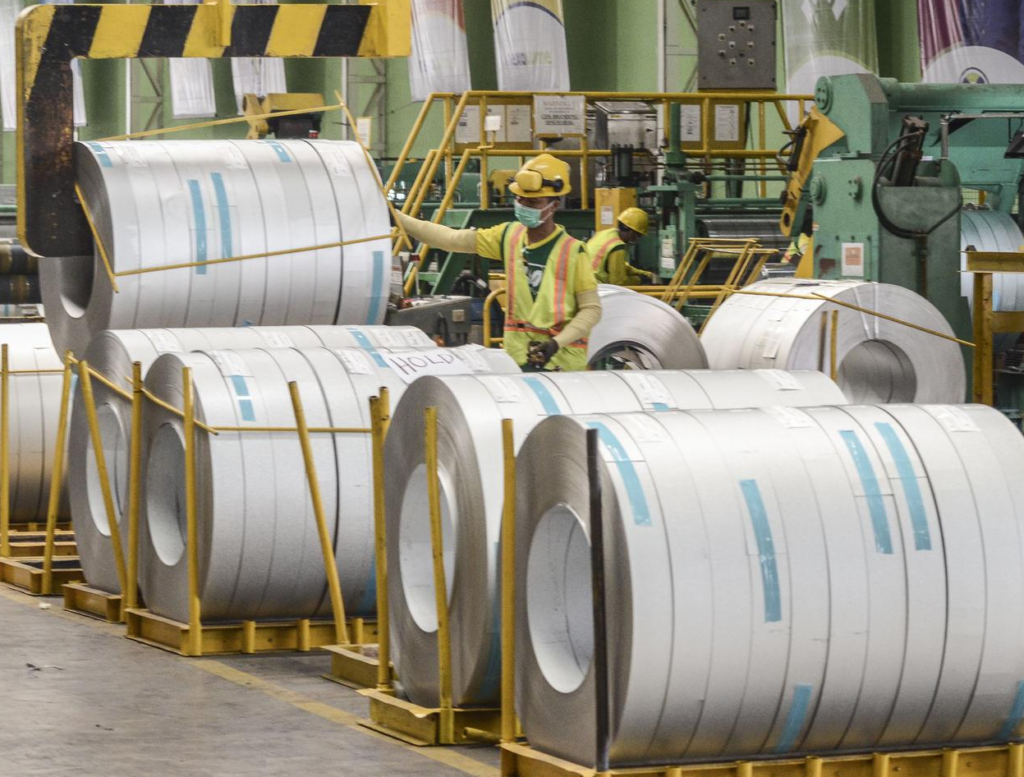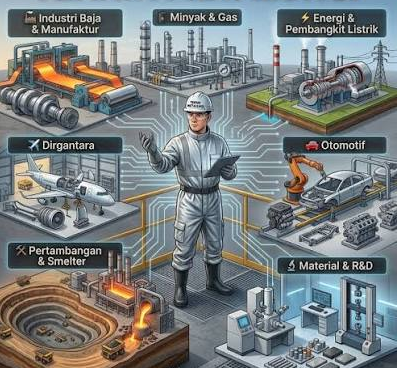
The global metallurgy industry is at an important crossroads. On one side, demand for metals keeps rising with the growth of technology and infrastructure worldwide. On the other, pressure to reduce environmental impact and build more resilient supply chains is driving major changes in how the industry operates. Here are some of the global trends shaping where metallurgy is heading.
1. The Shift to “Green Steel” and Low-Carbon Production
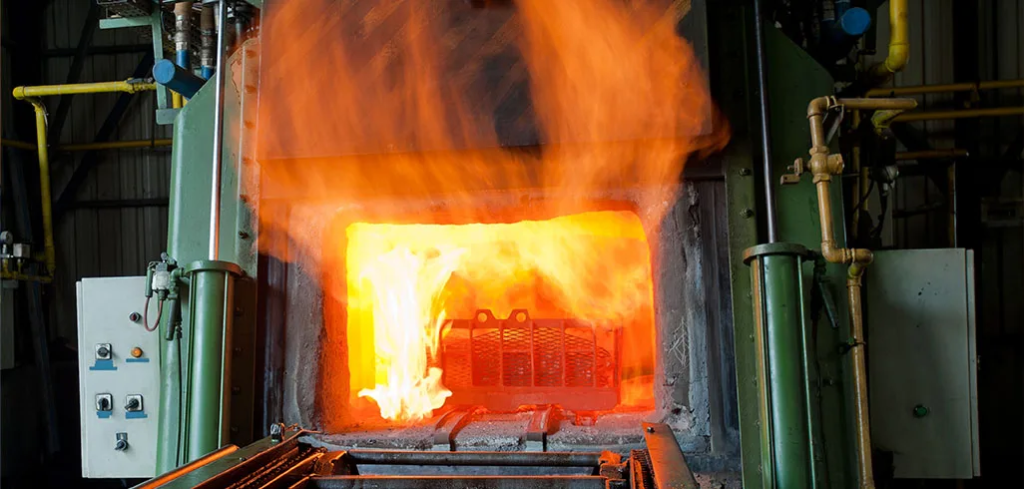
The global steel industry is known as one of the largest sources of carbon emissions, because conventional iron ore smelting relies heavily on fossil fuels. In response, more and more steelmakers in many countries are investing in low-carbon production technology, such as using hydrogen instead of coal to reduce iron ore, and using electric arc furnaces powered by renewable energy. This is covered in more detail in green steel and hydrogen.
The trend is driven by a combination of tighter environmental regulation in many countries and demand from the automotive and construction sectors, which are starting to require raw materials with a lower carbon footprint.
2. Surging Demand for Metals for Electric Vehicles and Renewable Energy
The global energy transition is also driving demand for key metals such as copper, nickel, lithium, cobalt, and rare earth elements. Electric vehicles need far more copper than conventional vehicles, while wind turbines and solar panels need certain metals in significant quantities for magnets and conductors.
This surge in demand creates its own challenges for global supply chains, because most reserves of these strategic metals are concentrated in a handful of producing countries.
3. Supply Chain Diversification and Geopolitics
Dependence on a few countries for strategic metals, including the rare earth elements we have covered before, is pushing many countries to diversify their sources of supply. Several countries are developing domestic mines and processing facilities, forming strategic partnerships across borders, and encouraging investment in technology to recycle metals from used electronics (urban mining) as an alternative source.
4. The Circular Economy and Metal Recycling
Metal recycling is becoming a priority, not only for environmental reasons but also for economic efficiency. Recycling metals such as aluminum and copper takes far less energy than producing them from raw materials, making it increasingly attractive both economically and environmentally. Many manufacturers now design products with end-of-life recyclability in mind (design for recycling). See also steel recycling and the circular economy.
5. Digitalizing the Metallurgy Production Chain
In line with the trends covered in our article on technological innovation in casting, digitalization is also reaching the wider supply chain. Technologies such as blockchain are being piloted to trace the origin of metals, ensuring raw materials are sourced ethically and sustainably while improving transparency for end consumers who care more and more about sustainability.
What Does This Mean for Industry Players?
For metallurgy businesses large and small, these trends signal the importance of continuous adaptation. Companies that can integrate low-carbon production practices, diversify their raw material sources, and adopt digital technology in their operations will be more competitive in a constantly changing industrial landscape.
Conclusion
Metallurgy is no longer just about melting and shaping metal. The industry is now an important part of the global agenda on environmental sustainability, supply chain resilience, and digital transformation. Understanding these trends helps us see the bigger picture of where the industry is heading.
METALURGIKA.COM will keep monitoring and covering the latest developments in the world of metallurgy. Stay tuned for updates and current insights.