
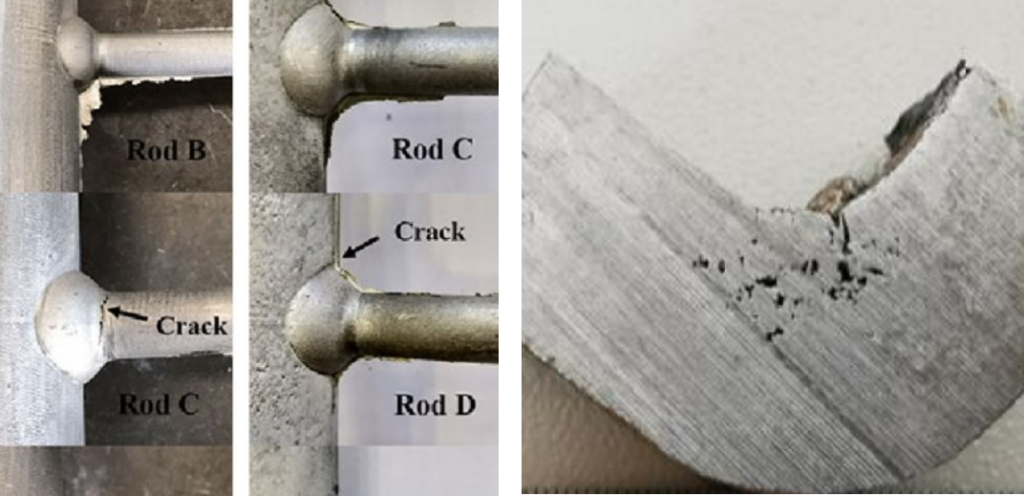
Metal casting is one of the oldest and most vital manufacturing processes in the modern metal industry. We covered its stages, methods, and applications in metal casting basics. But behind a process that looks simple, castings are not always perfect. Casting defects are one of the most common problems faced by foundries and casting service providers, and they are often only detected after the product is in use in the field.
This article looks at two of the most common casting defects, porosity and hot tearing, through real industry case studies, including their causes and the solutions applied to fix them.
Case Study: Porosity in Cast Automotive Components
One of the most common problems in foundries is porosity: small air voids inside the structure of the cast metal. In one automotive case study, an engine block component failed after several months in service because of porosity that was not detected during initial quality control.
Root cause analysis:
- The molten metal was poured at too low a temperature, so it did not fill the mold properly
- A poorly optimized gating system design allowed air to become trapped
- Dissolved gas in the molten metal (especially hydrogen) was not properly controlled
Solutions applied:
- Optimizing the gating and riser design to smooth metal flow and reduce turbulence
- Degassing before pouring to lower dissolved gas levels
- Using X-ray inspection and ultrasonic testing as part of quality control before products are shipped to customers
This case shows the importance of combining the right process design with rigorous inspection in casting services, especially for components that carry critical loads.
Case Study: Hot Tearing in Aluminum Castings
Another common problem in metal casting is hot tearing: cracks that form while the metal is still semi-solid, caused by thermal stress during cooling.
Main causes:
- Significant differences in cooling rate between different parts of the mold
- Product designs with extreme changes in thickness
- Aluminum alloy compositions prone to high shrinkage
Solutions the foundry applied:
- Modifying the product design to avoid abrupt changes in thickness, in line with design for castability principles
- Adjusting the cooling rate through the choice of mold materials
- Adding certain alloying elements to improve the metal’s solidification behavior
Why These Casting Defect Case Studies Matter to Industry
The case studies above show that casting defects are not just a surface quality issue. They can directly affect the reliability and safety of components in the field. For companies that use metal casting services, understanding case studies like these helps with:
- Choosing a foundry partner with a mature quality control system and experience handling casting defects
- Anticipating potential product defects from the design stage, not only at final inspection
- Reducing production costs caused by component failures or rejected products
Conclusion
Casting defects such as porosity and hot tearing can essentially be prevented through the right process control, from gating system design and pouring temperature to choosing a suitable alloy composition. These case studies are a reminder that casting quality depends heavily on metallurgical understanding at every stage of the process.
For companies looking for metal casting services or a foundry, it is important to make sure your production partner has a track record of handling similar defects. It is not just about price, but about long-term process reliability. To review the basics of the casting process before going deeper into these defects, read metal casting basics.


