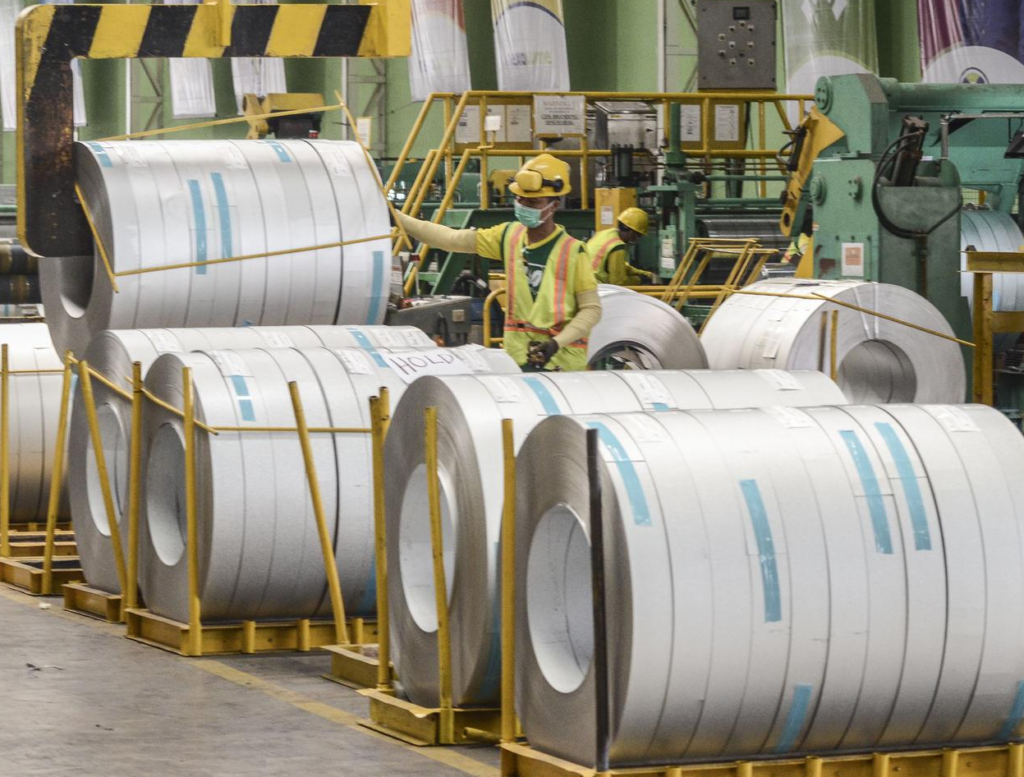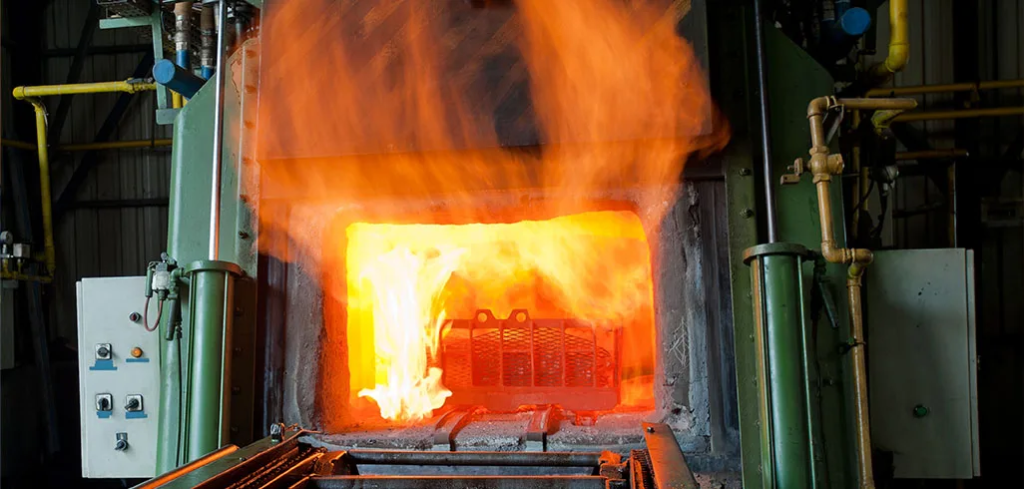
Amid all the talk of automation and robotics in casting plants, there is an irony that underlines how important this issue is: the global metallurgy industry, from foundry operators and certified welders to metallurgical engineers, faces an increasingly severe shortage of skilled workers. It is a crisis that is slowly but surely threatening production capacity in many countries.
Why Is This Crisis Happening?
A generation of senior workers retiring at once. Many skilled metallurgy workers, especially operators with decades of experience in casting, precision welding, and heat treatment, are reaching retirement age in large numbers at the same time, without enough young workers coming in to replace them.
A negative image of manufacturing work. The metallurgy industry, especially work on the foundry floor, has long been seen as “dirty, hot, and dangerous,” which makes it less attractive to young people than careers in technology or services that seem more modern and comfortable.
A gap between education and industry needs. Many vocational and engineering programs have not fully updated their curricula to match current industrial technology, leaving a skills gap between new graduates and the real needs of an increasingly digital industry.
Competition for talent from other sectors. Materials and metallurgical engineers with strong analytical and technical skills are increasingly recruited by sectors such as technology and consulting that offer more competitive pay, shrinking the talent pool available to traditional metallurgy.
The Real Impact on Industrial Operations
Capacity limits despite market demand. Some foundries and metallurgical plants report difficulty running at full capacity, not because of machine limits or lack of demand, but because they lack skilled operators who can run the equipment safely and effectively.
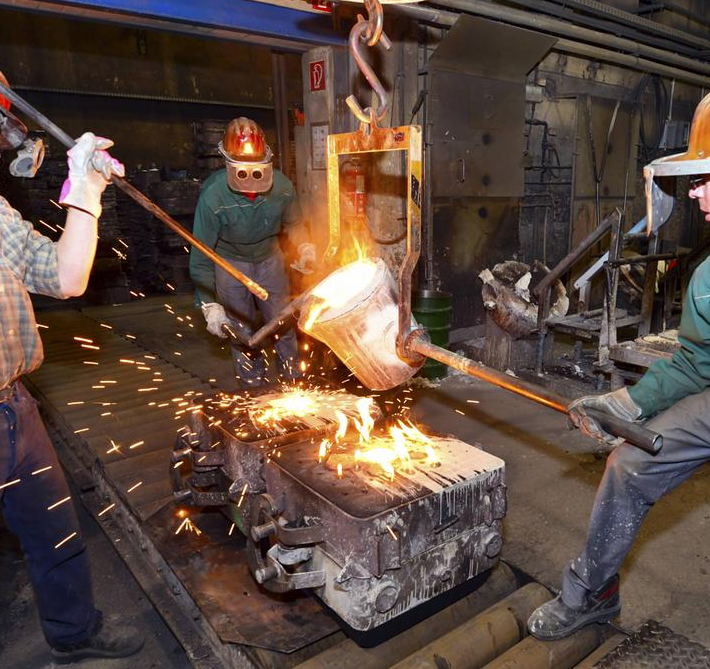
Higher quality and safety risks. Less experienced operators are more prone to process errors that can lead to production defects or even safety incidents, especially in high-risk processes such as pouring molten metal.
Upward pressure on labor costs. The shortage of skilled workers pushes up wages as companies compete to attract and retain the talent available, adding cost pressure in an already tough competitive environment.
Slower transfer of tacit knowledge. Many metallurgical skills, such as sensing when molten metal is in the right condition to pour or spotting early signs of process problems, are tacit knowledge that is hard to document formally and is usually passed on through direct mentoring from senior to junior workers. Mass retirement risks losing this valuable knowledge before it can be transferred.
Strategies the Industry Is Starting to Use
Automation and robotics as a partial answer. Automating high-risk and repetitive processes is one industry response to the labor shortage. It does not replace the entire human workforce, but it reduces dependence on manual operators for certain tasks.
Partnerships with vocational institutions. Some large metallurgy companies are building direct partnerships with vocational schools and polytechnics to align curricula with real industry needs, including apprenticeships and hands-on training in production facilities.
Documenting and digitizing tacit knowledge. Some companies are investing in video documentation, IoT sensors, and machine learning, part of the Industry 4.0 transformation, to systematically capture the optimal process parameters of experienced operators before that knowledge disappears with their retirement.
Rebranding manufacturing. Some industry associations are investing in campaigns to improve public perception of careers in modern manufacturing, emphasizing how work in the industry now increasingly involves advanced technology rather than just the heavy physical labor of the old image.
Implications for Indonesia’s Metallurgy Industry
Similar challenges are starting to be felt in Indonesia’s domestic metallurgy industry, although with somewhat different demographics from developed countries facing faster population aging. For foundries and metal manufacturers in Indonesia, investing in vocational training, partnering with engineering schools, and adopting technology that reduces dependence on high-risk manual skills are increasingly relevant strategic steps for long-term operational sustainability amid growing competition for talent.