Metal Casting

Practical guides to metal casting, from the basics of sand, die, and investment casting to material selection, gating and riser design, defect prevention, heat treatment, and inspection. Written for engineers, students, and buyers of cast components.

gating system dan riser

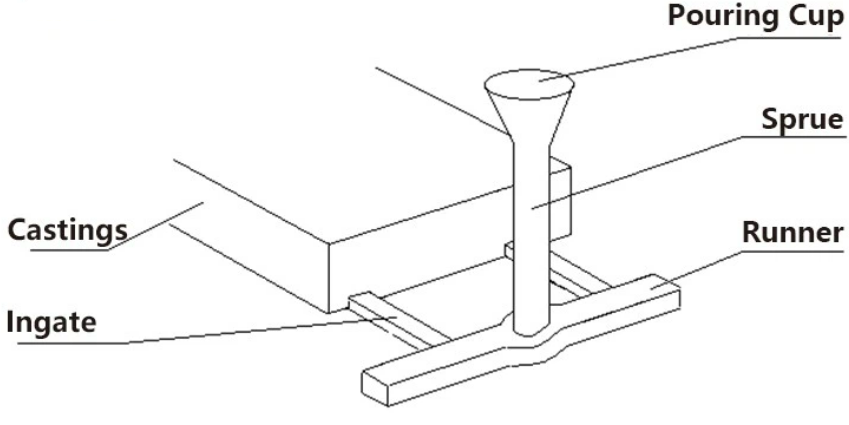
Gating and Riser System Design in Metal Casting: The Key to Preventing Defects from the Mold Up

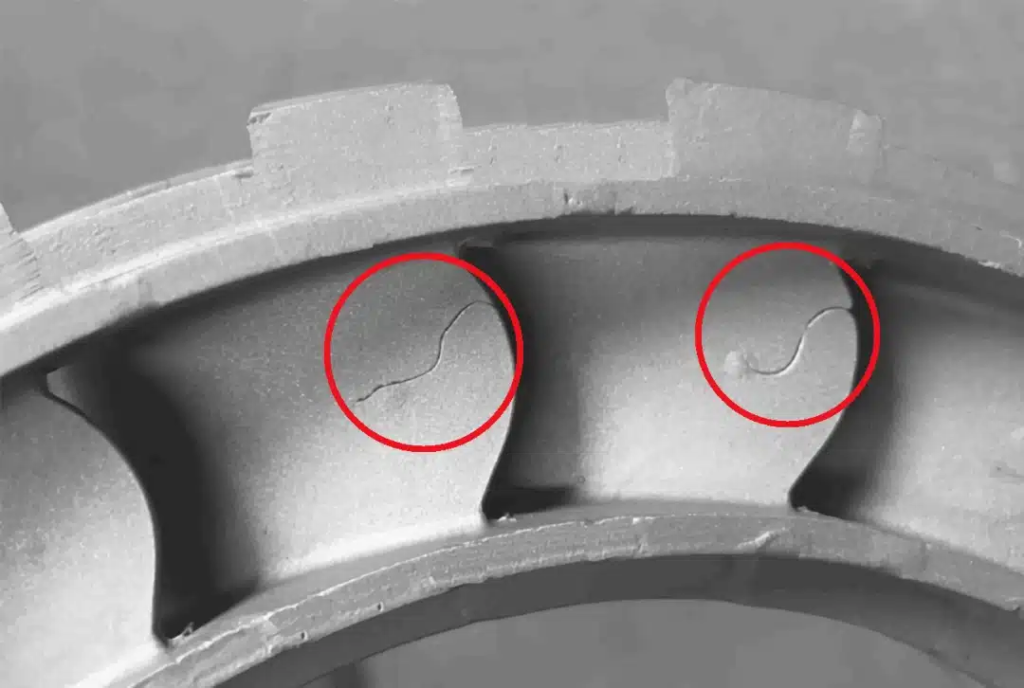
Most metal casting defects, such as the porosity and hot tearing covered in our casting defect case study, can actually be prevented long before molten metal is poured: at the stage of designing the gating system and risers. Many new practitioners focus on material selection and melting parameters, yet poor gating and riser design is

Gating and Riser System Design in Metal Casting: The Key to Preventing Defects from the Mold Up Read More »

cacat cold shut dan misrun pada pengecoran

Cold Shut and Misrun Defects in Metal Castings: Causes and Prevention

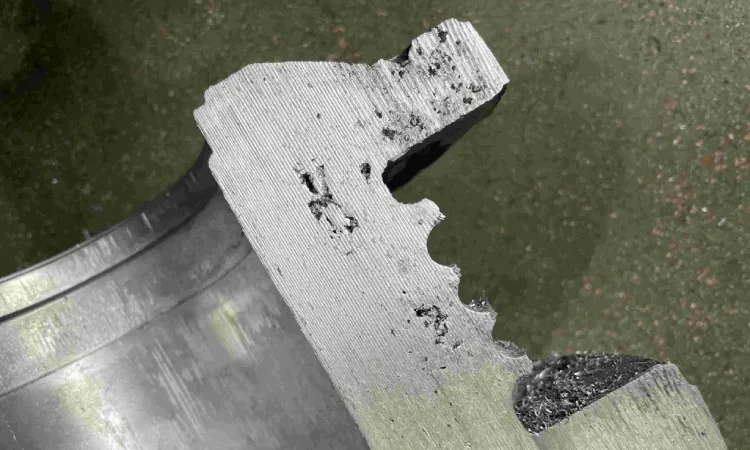
Alongside porosity and hot tearing, there are two other defects every casting engineer needs to understand: cold shuts and misruns. Unlike porosity, which is related to gas or shrinkage, both of these defects come purely from mold filling problems: the molten metal fails to fill the mold cavity completely before it solidifies. What Is a

Cold Shut and Misrun Defects in Metal Castings: Causes and Prevention Read More »

cacat inklusi dan kontaminasi pada hasil pengecoran

Inclusion and Contamination Defects in Metal Castings: Sources and Prevention

Alongside other casting defects such as porosity, hot tearing, cold shuts, and misruns, there is one more category that is often overlooked yet can seriously damage part integrity: inclusions and contamination, meaning foreign material that ends up inside the structure of the cast metal. What Is an Inclusion Defect? An inclusion is a particle of

Inclusion and Contamination Defects in Metal Castings: Sources and Prevention Read More »

jenis tungku peleburan pengecoran induksi, kupola, busur

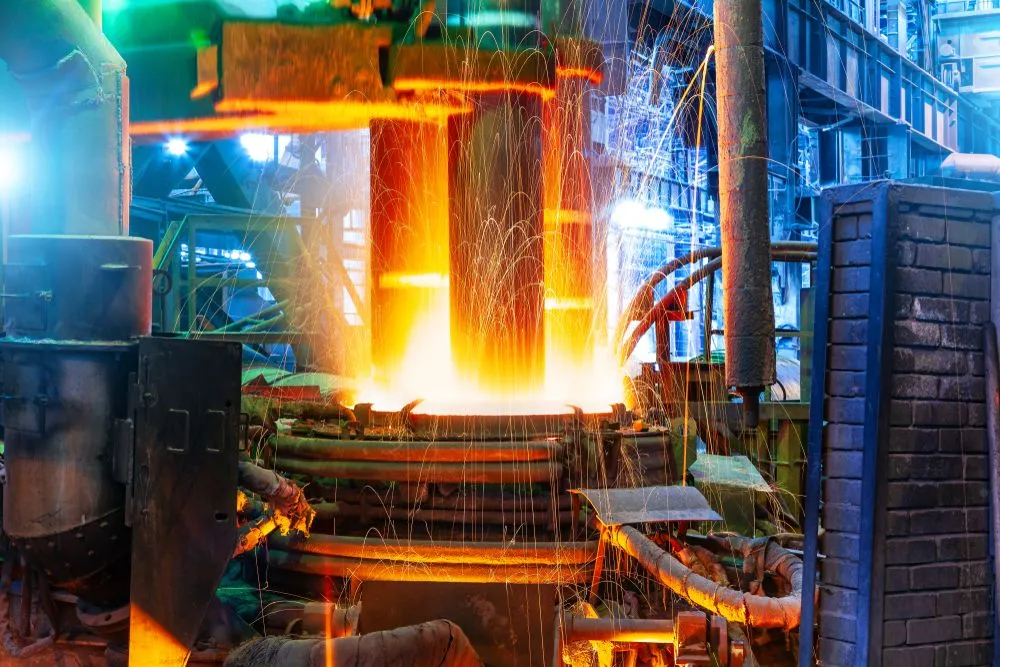
Types of Melting Furnaces for Metal Casting: Induction, Cupola, and Electric Arc

Before metal can be poured into a mold, it has to be melted, and the choice of melting furnace decides a great deal: energy cost, control of chemical composition, cleanliness of the molten metal, and the emissions produced. As with choosing a casting method, choosing a furnace is about matching the technology to the type

Types of Melting Furnaces for Metal Casting: Induction, Cupola, and Electric Arc Read More »

casting besi baja aluminium

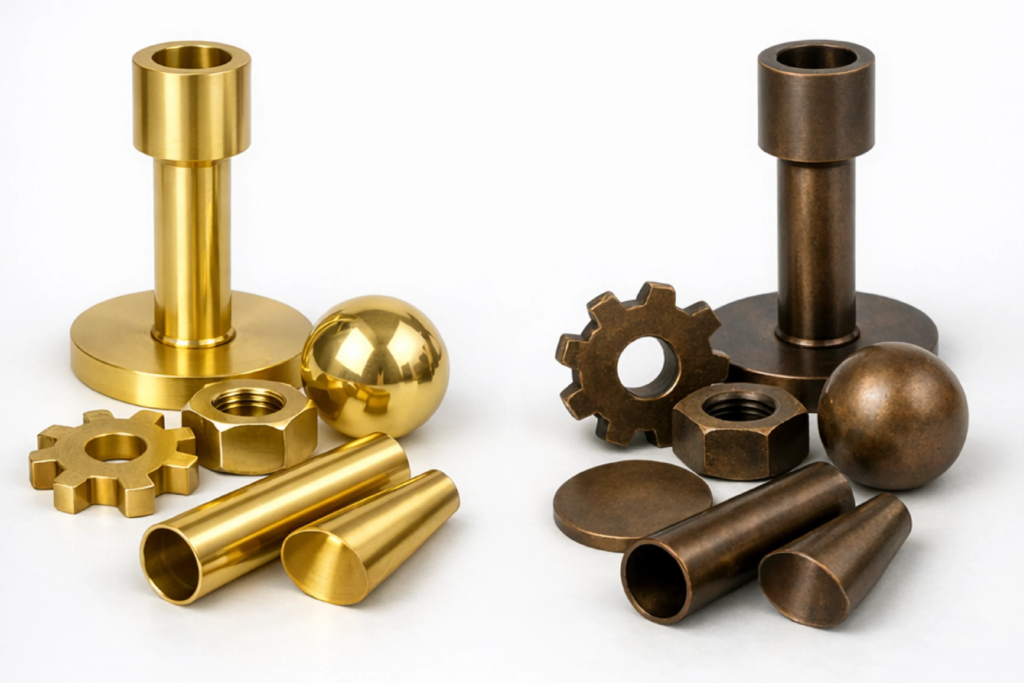
Choosing Materials for Metal Casting: Cast Iron, Cast Steel, and Aluminum Alloys

Before deciding which casting method to use, there is a more basic question: which material should the part be cast from? The three most common candidates in industry are cast iron, cast steel, and aluminum alloys, each with very different characteristics. Cast Iron: The Workhorse for Vibration Damping and Low Cost Cast iron is an

Choosing Materials for Metal Casting: Cast Iron, Cast Steel, and Aluminum Alloys Read More »