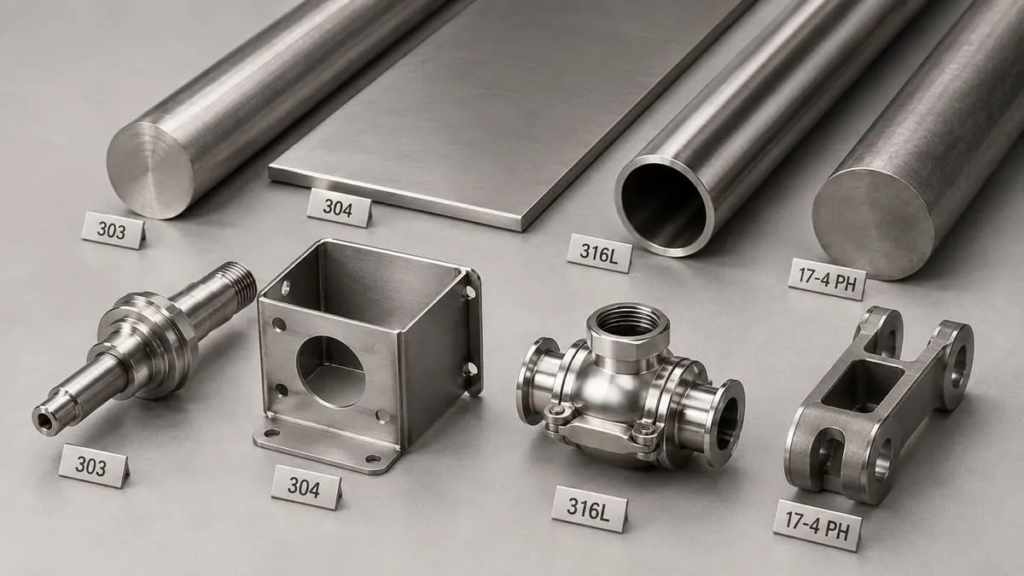
There are five main types of stainless steel: austenitic, ferritic, martensitic, duplex, and precipitation hardening. All of them are steels containing at least about 10.5% chromium. The chromium forms a very thin oxide film on the surface, and that film is what makes stainless steel resist rust. What separates the types is their crystal structure, which is set by the other alloying elements, chiefly nickel, molybdenum, carbon, manganese, and nitrogen.
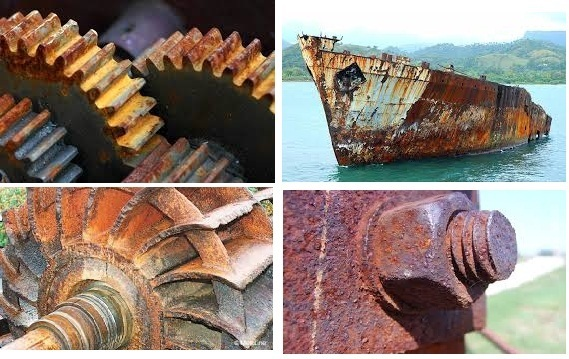
Despite the name, stainless steel is corrosion resistant, not corrosion proof. In the wrong environment, such as seawater, de-icing salt, or certain chemicals, stainless steel can still rust. How well it holds up depends on the type and grade.
This guide explains what stainless steel is, what each alloying element does, the five types of stainless steel, austenitic stainless steel in detail, the most common grades (201, 304, 316, 430, and others), how 304, 316, and 201 differ, whether stainless is food safe, how to identify a grade, corrosion problems, surface finishes, and how to choose the right one.
What Is Stainless Steel?
Ordinary steel is iron with a little carbon. In damp air, iron reacts with oxygen and water to form rust, which is porous and flakes away, so corrosion keeps going. Plain steel is covered in our article on low-carbon steel.
Stainless steel is different because of its chromium. Once chromium reaches about 10.5%, the surface forms a passive film of chromium oxide only a few nanometers thick, dense, and firmly attached. The film seals the surface from oxygen and water. If it is scratched, it reforms on its own as long as oxygen is present. That is why stainless steel stays bright without paint.
Stainless steel was developed in several steps in the early 20th century. The best-known milestone came in 1913, when Harry Brearley in Sheffield, England, discovered a corrosion-resistant martensitic chromium steel while looking for a better material for gun barrels. That steel later became known as type 420. Around the same time, Krupp in Germany patented an austenitic chromium-nickel steel that was the forerunner of type 304.
Alloying Elements and What They Do
Besides chromium, stainless steel contains other elements that shape its properties:
| Element | Main role |
|---|---|
| Chromium (Cr) | Forms the passive film; at least about 10.5%, and more chromium means better corrosion resistance |
| Nickel (Ni) | Stabilizes the austenite structure, making the steel non-magnetic, ductile, formable, and weldable |
| Molybdenum (Mo) | Improves resistance to chloride pitting and crevice corrosion |
| Manganese (Mn) and nitrogen (N) | Replace part of the nickel in the 200 series; nitrogen also adds strength and pitting resistance |
| Carbon (C) | Adds hardness in martensitic grades; kept low in austenitic grades to avoid sensitization |
| Titanium (Ti) and niobium (Nb) | Tie up carbon so chromium does not form carbides during welding (stabilized grades such as 321 and 347) |
| Copper (Cu) | Used in precipitation hardening grades such as 17-4 PH, and in some 200 series grades |
Pitting resistance is often estimated with the PREN (pitting resistance equivalent number): PREN = %Cr + 3.3 × %Mo + 16 × %N. Calculated from their compositions, 304 comes out at about 18–20, 316 at about 23–28, and 2205 duplex at about 31–38. A higher PREN means better resistance to chlorides.
The Five Types of Stainless Steel
Stainless steels are grouped by crystal structure, which is controlled by chemistry. There are five main types:
| Type | Structure | Magnetic? | Hardenable by heat treatment? | Example grades | Typical uses |
|---|---|---|---|---|---|
| Austenitic | Austenite (face-centered cubic) | No (slightly after cold work) | No; only by cold working | 201, 304, 316, 310, 321 | Kitchen equipment, food and chemical processing, tanks, piping, architecture |
| Ferritic | Ferrite (body-centered cubic) | Yes | No | 409, 430 | Appliances, trim, exhaust systems, panels |
| Martensitic | Martensite | Yes | Yes | 410, 420, 440C | Knives, cutting tools, valves, pump shafts, surgical instruments |
| Duplex | Austenite and ferrite in roughly equal parts | Yes | No | 2205, 2507 | Oil and gas, chemicals, seawater, structures |
| Precipitation hardening (PH) | Martensite or austenite with strengthening precipitates | Usually yes | Yes, by aging | 17-4 PH (630) | Aerospace parts, shafts, valves, molds |
The most widely used grade names come from the American AISI/SAE system of three-digit numbers such as 304 and 316. The 300 series is chromium-nickel austenitic, the 200 series is chromium-manganese-nickel austenitic, and the 400 series covers ferritic and martensitic grades. The Japanese JIS standard uses the prefix SUS (Steel Use Stainless), so SUS 304, AISI 304, and SS 304 all refer to the same grade.
The most widely used precipitation hardening grade, with its H900 to H1150 conditions, is covered in our guide to 17-4 PH stainless steel.
Austenitic Stainless Steel
Austenitic stainless steel is by far the most produced type, about two-thirds of all stainless steel. Almost every stainless item you meet in daily life, from sinks to dairy tanks, is austenitic.
The 300 and 200 series
- The 300 series uses chromium and nickel. Type 304 contains about 18% chromium and 8% nickel, which is why it is called 18-8 stainless steel (or 18/8). Flatware marked 18/10 means about 18% chromium and 10% nickel.
- The 200 series replaces part of the nickel with manganese and nitrogen. Nickel is expensive, so the 200 series costs less. Type 201 contains about 16–18% chromium, 3.5–5.5% nickel, and 5.5–7.5% manganese. It is stronger than 304 but less corrosion resistant.
Key properties of austenitic stainless steel
- Non-magnetic in the annealed (soft) condition. After bending, drawing, or other cold forming, some of the austenite can transform to martensite, so that area becomes slightly magnetic. Type 201 does this more readily than 304.
- Cannot be hardened by heat treatment. Strength can only be raised by cold working. This is unlike carbon steel and martensitic stainless steel, which harden by quenching and tempering.
- Very ductile and formable. It can be deep drawn into sinks, pots, and tanks.
- Tough at very low temperatures, which is why it is used for liquefied gas tanks and cryogenic equipment.
- Easy to weld. This is one of the main reasons austenitic stainless is so popular for fabrication.
Sensitization and L grades
The main weakness of austenitic stainless steel is sensitization. When heated in the range of about 425–815 °C (800–1,500 °F), for example in the zone next to a weld, carbon combines with chromium to form chromium carbides at the grain boundaries. The metal next to the boundaries loses chromium and becomes easy to corrode. Corrosion that runs along the grain boundaries is called intergranular corrosion, or weld decay; other forms are covered in our guide to types of metal corrosion.
There are three ways to prevent it:
- Use a low-carbon (L) grade such as 304L or 316L, with no more than 0.03% carbon. There is too little carbon to form many carbides.
- Use a stabilized grade such as 321 (titanium) or 347 (niobium). Titanium and niobium grab the carbon first, so the chromium stays free.
- Limit the time in the critical range during welding, or solution anneal afterward to dissolve the carbides again.
Chloride stress corrosion cracking
Austenitic grades such as 304 and 316 are susceptible to stress corrosion cracking (SCC) when chlorides, tensile stress, and temperatures above about 60 °C (140 °F) come together. The cracks can appear with no visible rust. The mechanism, examples, and prevention are covered in full in our article on stress corrosion cracking. In those environments, duplex stainless steel or a nickel alloy is often the safer choice.
The Most Common Stainless Steel Grades
The compositions in this table follow the AISI/SAE ranges, in weight percent. Other standards, such as ASTM A240 for plate or EN 10088 in Europe, use slightly different limits.
| Grade (AISI) | EN / JIS equivalent | Cr (%) | Ni (%) | Other (%) | Main feature | Typical uses |
|---|---|---|---|---|---|---|
| 201 | 1.4372 / SUS 201 | 16–18 | 3.5–5.5 | Mn 5.5–7.5; N ≤0.25 | Low cost, strong, moderate corrosion resistance | Budget kitchenware, racks, furniture, interior trim |
| 304 | 1.4301 / SUS 304 | 18–20 | 8–10.5 | C ≤0.08 | The most common, general-purpose grade | Kitchen equipment, sinks, food tanks, piping, architecture |
| 304L | 1.4307 / SUS 304L | 18–20 | 8–12 | C ≤0.03 | Like 304, safe from sensitization | Welded fabrications, tanks, piping |
| 316 | 1.4401 / SUS 316 | 16–18 | 10–14 | Mo 2–3 | Better chloride resistance (“marine grade”) | Marine hardware, chemical and pharmaceutical plants, coastal sites |
| 316L | 1.4404 / SUS 316L | 16–18 | 10–14 | Mo 2–3; C ≤0.03 | Like 316, safe from sensitization | Process piping, pharmaceuticals, medical implants (special grades) |
| 310 | 1.4845 (310S) / SUS 310S | 24–26 | 19–22 | High-temperature oxidation resistance | Furnaces, heat-treatment fixtures, burners | |
| 321 | 1.4541 / SUS 321 | 17–19 | 9–12 | Ti | Stabilized, resists sensitization | Exhausts, expansion joints, high-temperature equipment |
| 430 | 1.4016 / SUS 430 | 16–18 | ≤0.75 | C ≤0.12 | Ferritic, magnetic, low cost | Appliance panels, trim, budget sinks |
| 410 | 1.4006 / SUS 410 | 11.5–13.5 | ≤0.75 | C ≤0.15 | Martensitic, hardenable | Valves, pump shafts, bolts, turbine blades |
| 420 | 1.4021 / SUS 420 | 12–14 | C ≥0.15 | Martensitic, hard, polishes well | Knives, scissors, surgical tools, plastic molds | |
| 2205 | 1.4462 | 21–23 | 4.5–6.5 | Mo 2.5–3.5; N 0.10–0.22 | Duplex, strong, resists chlorides and SCC | Oil and gas, chemicals, seawater, bridges |
| 17-4 PH (630) | 1.4542 / SUS 630 | 15–17 | 3–5 | Cu 3–5; Nb | Precipitation hardening, very strong | Aerospace parts, shafts, valves, molds |
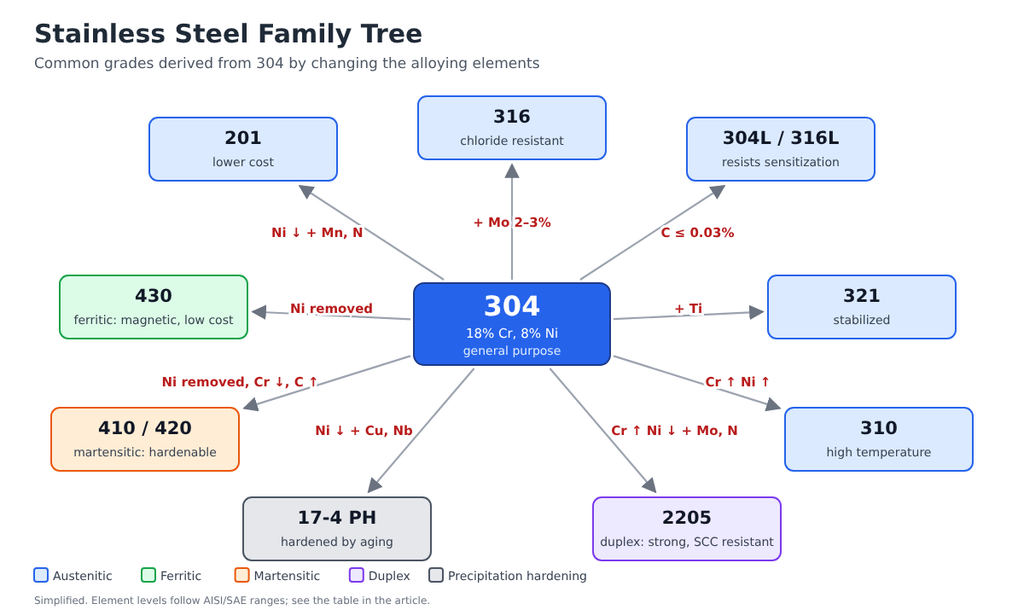
304 vs 316 vs 201 Stainless Steel
These three grades are compared more than any others because they are the most widely sold.
| Property | 201 | 304 | 316 |
|---|---|---|---|
| Chromium | 16–18% | 18–20% | 16–18% |
| Nickel | 3.5–5.5% | 8–10.5% | 10–14% |
| Manganese | 5.5–7.5% | 2% max | 2% max |
| Molybdenum | none | none | 2–3% |
| Corrosion resistance | Moderate; spots easily in humid, salty air | Good for most indoor and normal outdoor use | Best of the three, especially against chlorides and seawater |
| Magnetic | No, but becomes slightly magnetic more easily after forming | No (slightly after cold forming) | No |
| Cost | Lowest | Medium | Highest |
| Typical uses | Budget furniture and kitchenware, interior decoration | Kitchen equipment, sinks, food tanks, piping | Marine and coastal hardware, chemicals, pharmaceuticals, pools |
In short:
- 304 vs 316: the key difference is molybdenum. 316 resists salt, seawater, and chlorides better, so it lasts longer at the coast and in chemical plants. For kitchens and indoor use, 304 is usually enough.
- 201 vs 304: 201 uses less nickel and more manganese, so it is cheaper. Its corrosion resistance is lower, so 201 spots sooner in damp places, near the sea, or when frequently exposed to cleaning chemicals.
A more detailed comparison of 304, 316, and 201, including how to test them, is covered in our guide to 304 vs 316 stainless steel.
Is 304 Stainless Steel Food Safe?
Type 304 (18/8) and 316 are the most widely used materials for flatware, cookware, commercial kitchen equipment, dairy tanks, and food processing machinery. Their passive film is stable, the surface is easy to clean, and they do not flavor food. That is why 304 is often called food grade.
A few points still matter:
- Avoid storing very salty or very acidic food for long periods in stainless containers, especially when hot. Chlorides and acids can locally damage the passive film.
- Kitchenware made of 201 is also sold. It spots more easily, so choose 304 or 316 for items that are in daily contact with wet food and washing.
- Do not scrub with ordinary steel wool. Carbon steel particles left on the surface will rust and leave brown spots.
- “18/8” or “18/10” markings on flatware give the chromium and nickel content and usually mean type 304.
When in doubt, ask the manufacturer for a material certificate or grade declaration, because markings on cheap products are not always reliable.
How to Identify Stainless Steel Grades
| Method | Principle | Limitations |
|---|---|---|
| Magnet test | Austenitic grades (201, 304, 316) are not, or only barely, attracted; ferritic and martensitic grades (430, 410, 420) are strongly attracted | Cannot tell 201, 304, and 316 apart. Bent or cold-formed areas of 304 can be slightly magnetic |
| Chemical spot test | A special reagent changes color when molybdenum is present (separating 316 from 304) or when nickel is low (flagging 201) | Can give false results on dirty or coated surfaces |
| XRF (X-ray fluorescence) | A handheld analyzer reads the elemental composition in seconds | Expensive; usually available at labs, large suppliers, and scrap yards |
| Mill certificate | Composition and property document from the producer | Only applies to material with traceable origin |
The magnet test quickly separates austenitic from ferritic and martensitic stainless, but it cannot confirm whether a part is 304 or 316. That takes a spot test or XRF.
Corrosion Problems in Stainless Steel
Although it resists rust, stainless steel can corrode in several ways:
- Pitting corrosion. Chlorides break through the passive film at weak points and drill small, deep pits. This is the most common form on stainless at the coast and around pools. The mechanism is explained in our article on pitting corrosion.
- Crevice corrosion. Occurs under washers, gaskets, or deposits, where oxygen runs out and the passive film cannot recover.
- Chloride stress corrosion cracking. Especially in 304 and 316 in hot, chloride-bearing environments.
- Intergranular corrosion. Caused by sensitization at welds in standard-carbon grades.
- Galvanic corrosion. Stainless is more noble than carbon steel, zinc, and aluminum. When connected to those metals in a wet environment, the other metal corrodes faster. A classic example is aluminum fastened with stainless bolts, as explained in our article on aluminum corrosion.
- Tea staining. A thin brown discoloration on outdoor stainless, especially near the coast. Usually cosmetic, but a sign that the grade or finish does not suit the environment.
- Iron contamination. Carbon steel particles from grinders, wire brushes, or tools that stick to stainless rust and make it look as if the stainless itself is rusting. How to clean it off is covered in our guide on how to remove rust from stainless steel.
General corrosion prevention is covered in our article on how to prevent corrosion in metals.
Stainless Steel Surface Finishes
Stainless sheet is sold with several finish codes:
| Code | Appearance | Uses |
|---|---|---|
| 2B | Silvery gray, moderately reflective; cold rolled, annealed, and pickled | The most common; tanks, industrial equipment, stock for further processing |
| BA (bright annealed) | Mirror-like from the mill | Kitchenware, decoration, reflectors |
| No. 4 (brushed) | Fine unidirectional lines, satin look | Commercial kitchens, elevators, appliance panels |
| HL (hairline) | Long, fine, closely spaced lines | Decorative panels, elevators, facades |
| No. 8 (mirror) | Full mirror polish | Decoration, signage, sculpture |
Smoother finishes are easier to clean and resist corrosion better, because dirt and chlorides have less to cling to.
Welding and Fabricating Stainless Steel
- Filler metal is matched to the base metal: 308L for 304 and 304L, 316L for 316 and 316L, and 309L for joining stainless to carbon steel.
- Use L grades for welded structures in corrosive service, to avoid sensitization.
- Keep tools separate for stainless and carbon steel. Shared wire brushes, grinding discs, and work tables transfer iron particles to stainless.
- Remove heat tint with pickling or passivation. Blue-brown discoloration around a weld shows the passive film is damaged and that area will corrode more easily.
- Martensitic grades such as 410 and 420 need preheating and post-weld heat treatment because they crack easily. A full guide to filler selection, TIG, MIG, and stick welding, and post-weld cleaning is in our guide to welding stainless steel.
Cast Stainless Steel
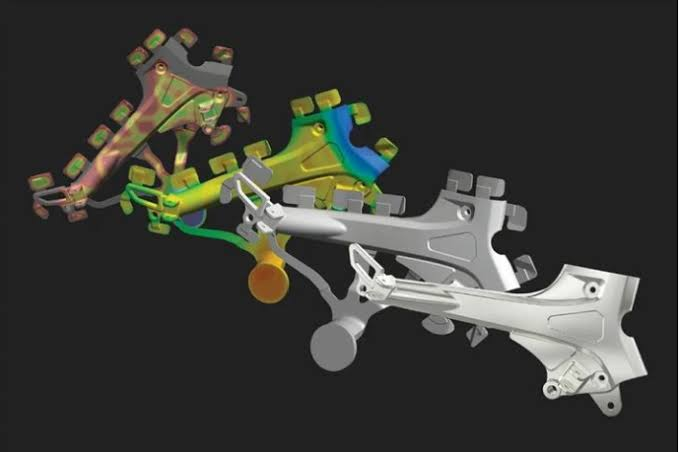
Complex stainless parts such as valve bodies, pump casings, and impellers are often cast. Cast grades have their own names under ASTM A351 and A743/A744, for example CF8 (the cast equivalent of 304), CF8M (cast 316), and CF3M (cast 316L). Cast austenitic stainless is usually made with a little ferrite on purpose to prevent hot cracking during solidification, so it can be slightly magnetic. Steel casting processes and standards in general are covered in our guide to steel casting. The composition, properties, designation system, and casting of these grades are covered in detail in our guide to CF8M stainless steel.
How to Choose the Right Type of Stainless Steel
| Requirement | Common choice |
|---|---|
| Indoor kitchen and food equipment | 304 |
| Coastal sites, pools, seawater, chloride chemicals | 316 or 316L; for severe service, 2205 duplex |
| Welded fabrication for corrosive service | 304L or 316L |
| High temperature (furnaces, exhausts) | 310, 321, or 309 |
| Low cost for dry interiors | 201 or 430 |
| Must be magnetic (for example, induction cookware) | 430 |
| Hard and sharp (knives, cutting tools) | 420 or 440C |
| High strength and SCC resistance | 2205 duplex or 17-4 PH |
| Surface needs further hardening | 17-4 PH, or austenitic with low-temperature nitriding (see our article on nitriding) |
In some environments, other protection is more economical than stainless, such as zinc-coated carbon steel. The comparison is in our guide to hot dip galvanizing.
Frequently Asked Questions
Can stainless steel rust? Yes. Stainless steel is corrosion resistant, not corrosion proof. Rust can appear when the passive film is damaged by chlorides (salt, seawater, bleach), starved of oxygen in a crevice, or contaminated with iron particles. Grades with more chromium and molybdenum, such as 316, resist it better.
Is stainless steel magnetic? It depends on the type. Austenitic grades such as 201, 304, and 316 are non-magnetic when annealed but can become slightly magnetic after cold forming. Ferritic (430), martensitic (410, 420), and duplex grades are magnetic.
What does 18-8 stainless steel mean? It refers to about 18% chromium and 8% nickel, the classic composition of type 304. In fasteners, “18-8” covers the family of 300 series grades with that approximate composition, such as 302, 303, and 304.
What is the difference between 201 and 304 stainless steel? 201 uses less nickel, an expensive element, and replaces it with manganese and nitrogen. That makes 201 cheaper and somewhat stronger, but less corrosion resistant.
Which type of stainless steel is best? No single grade is best for every job. 304 suits most household and light industrial uses, 316 handles salt and chemicals, 430 is a low-cost magnetic option, 420 is for blades, and duplex grades serve demanding environments that need high strength.
Conclusion
Stainless steel is steel with at least about 10.5% chromium, which forms a protective passive film. The five types of stainless steel are austenitic, ferritic, martensitic, duplex, and precipitation hardening, and austenitic grades (the 300 and 200 series) are by far the most widely used. Type 304 is the all-purpose choice, 316 adds molybdenum for chloride resistance, and 201 costs less but resists corrosion less well. Choosing the right stainless steel means matching the grade to the service environment, the fabrication method, and the budget.
Related Articles
- Stress Corrosion Cracking (SCC): Causes, Mechanism, Types, and Prevention
- Pitting Corrosion
- Types of Metal Corrosion and How to Prevent Them in Industry
- Steel Casting: Types, Grades, Process, and Cast Steel vs Cast Iron vs Forged Steel
- How to Prevent Corrosion in Metals

Dagus R. Djuanda is a metallurgical engineer with more than 20 years of experience in materials engineering, specializing in magnetic materials. He holds a master’s degree in magnetic materials engineering, is a doctoral candidate in industrial engineering, and works as an engineer at the Ministry of Industry of the Republic of Indonesia. Founder of Metalurgika.